 Alious
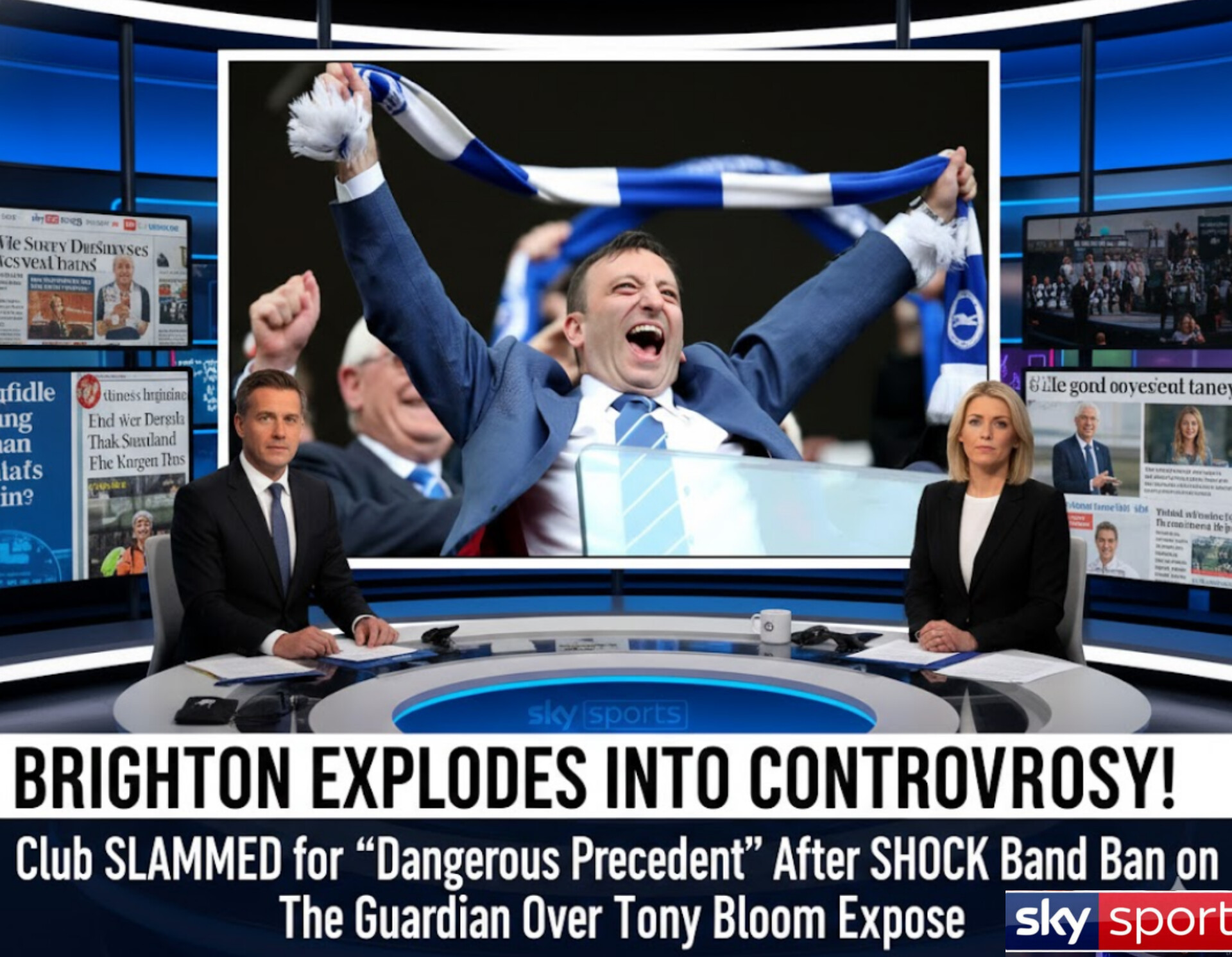
Brighton & Hove Albion is facing mounting criticism after barring Guardian journalists and photographers from attending home fixtures, a move that many politicians, media bodies, and fan groups say sets a “dangerous precedent”** for press freedom in English football.
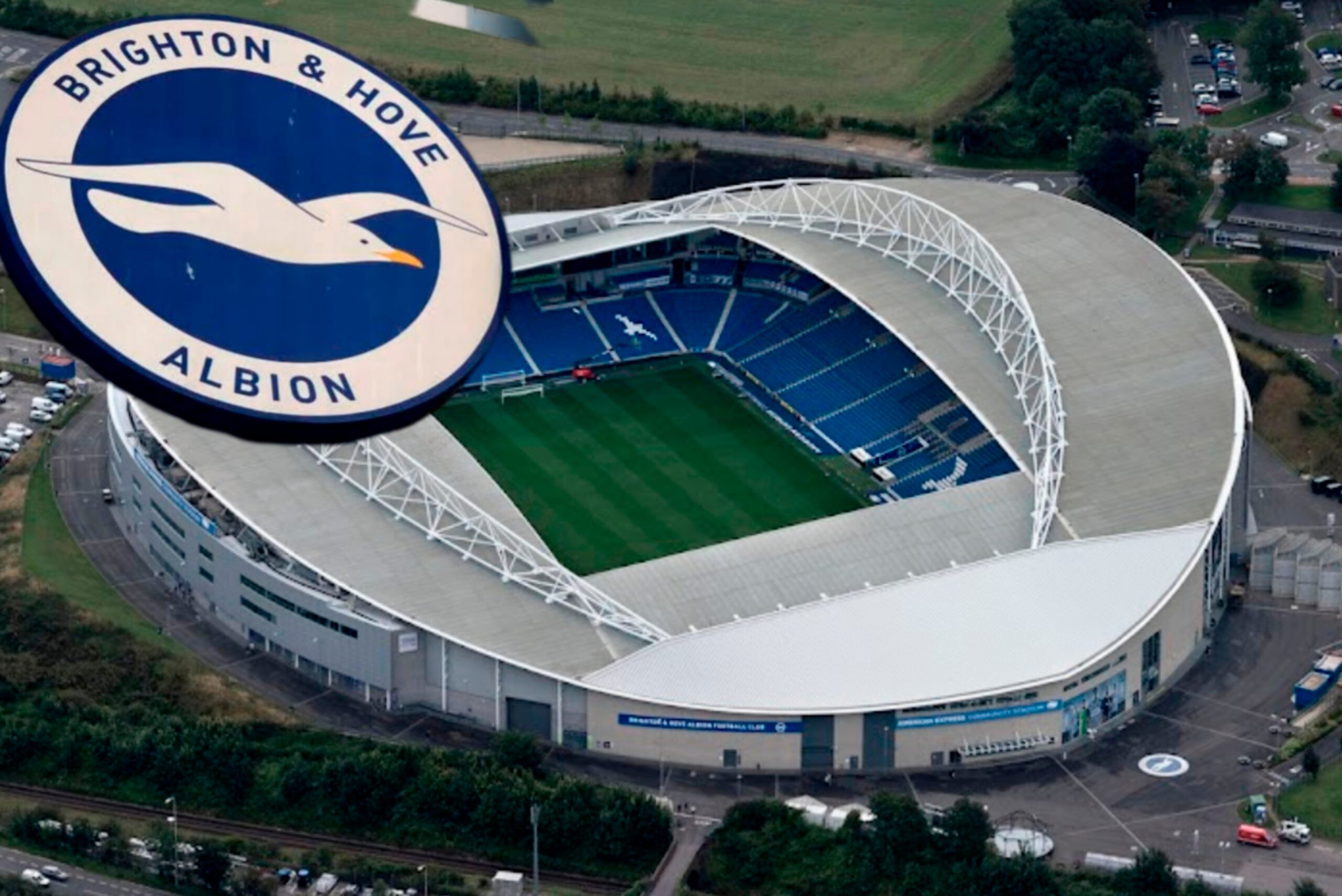
The Premier League club informed the Guardian that it would no longer accredit its journalists for matches at the Amex Stadium, beginning with the West Ham fixture, following the newspaper’s reporting on allegations connected to club owner Tony Bloom. Critics argue the decision amounts to punishing the press for legitimate investigative work.
The controversy stems from recent Guardian stories revealing that Bloom—whose fortune is rooted in gambling—faces a high court lawsuit alleging his betting syndicate sometimes used intermediaries (“frontmen”) to place wagers. A separate report pointed to claims that he may have been behind $70m (£52m) in gambling winnings, including bets allegedly tied to his own football teams. Bloom has denied betting on Brighton or competitions involving the club since becoming owner, calling such accusations “entirely false.” He intends to submit a defence to the lawsuit.
Press freedom advocates swiftly condemned the club’s reaction. Dawn Alford of the Society of Editors described the ban as “deeply concerning,” insisting journalists must be free to pursue matters of public interest without intimidation. Caroline Dinenage, chair of the Commons culture select committee, warned of a growing trend where football clubs restrict access to journalists over unflattering coverage. The Football Supporters’ Association also criticised the move, emphasising that investigative journalism plays a vital role in holding powerful figures accountable.
Political figures echoed these concerns. Liberal Democrat culture spokesperson Anna Sabine said the ban “flies in the face of press freedom” and urged Brighton to reverse its stance. Owen Meredith, chief executive of the News Media Association, called it a “troubling attack” on democratic accountability, arguing that clubs cannot selectively choose who scrutinises them. The News Media Coalition similarly urged the club to rethink its position, stressing that excluding reporters benefits no one.
Brighton, however, defended its decision, claiming it offered the Guardian an opportunity to revise or balance its reporting. According to a club spokesperson, the newspaper instead “doubled down.” The club rejected accusations of censorship, stating the Guardian remains free to cover Brighton—just not from inside the stadium or press conferences—while maintaining that recent articles contained inaccuracies about Bloom. Despite the escalating backlash, the club insists the ban was justified and not taken lightly.

 Alious