 Alious
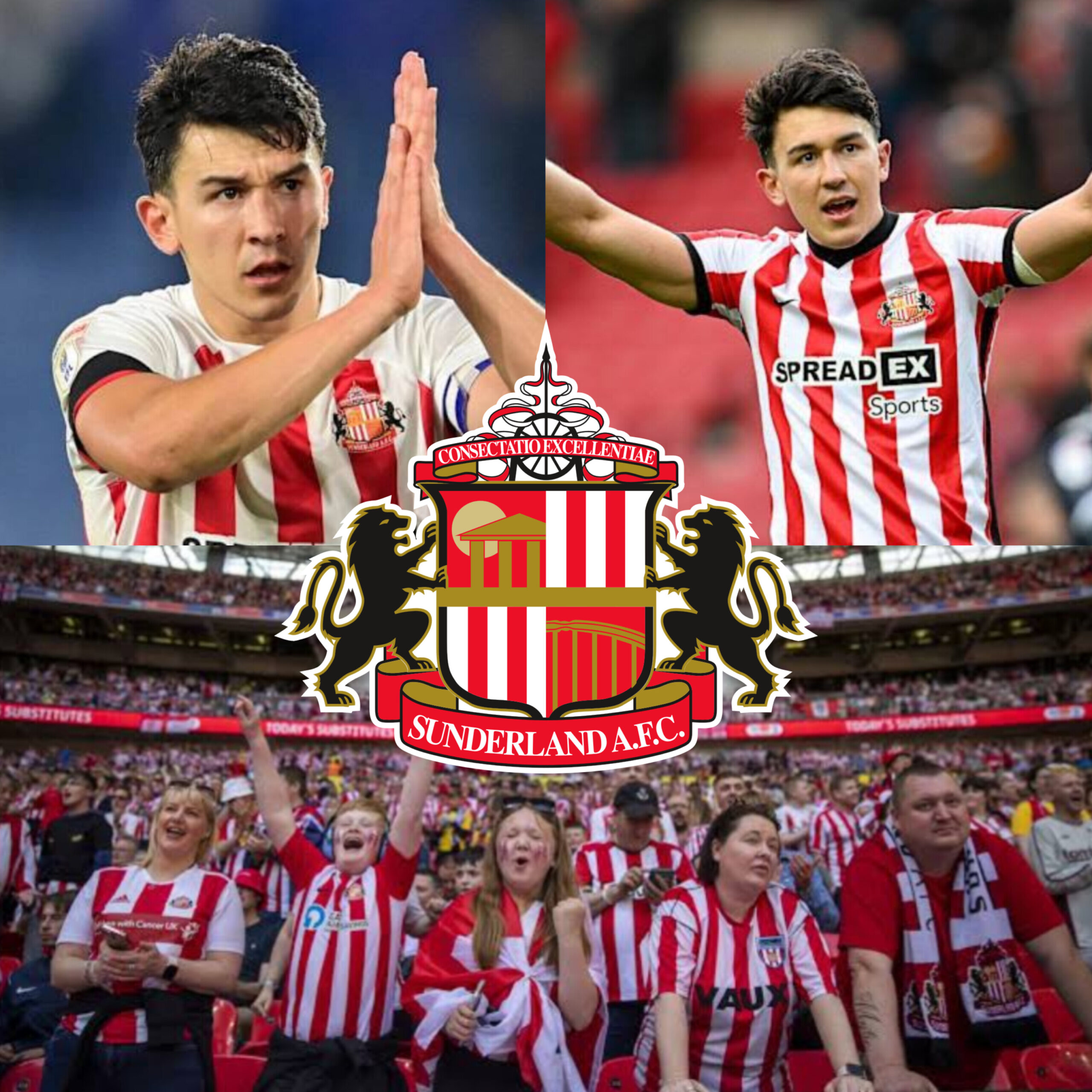
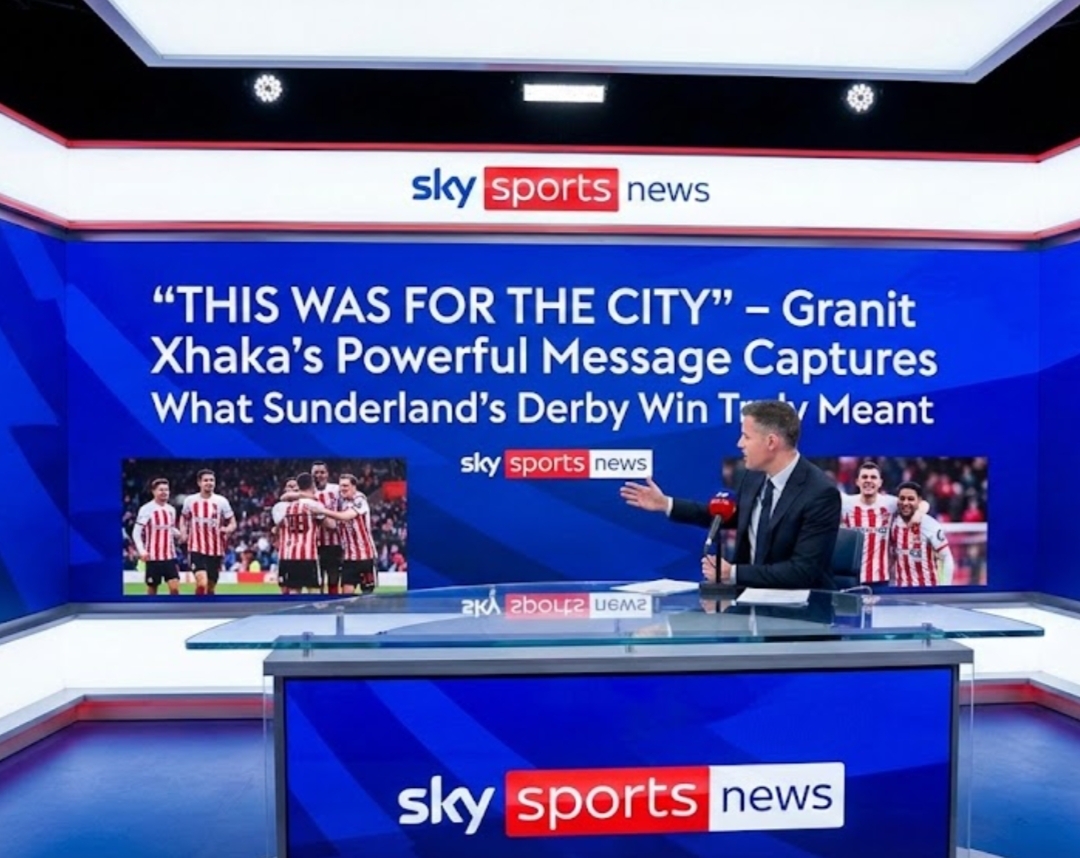
Granit Xhaka laid bare the emotion behind Sunderland’s unforgettable Wear-Tyne derby triumph with a heartfelt Instagram post that revealed just how much the 1–0 victory over Newcastle United resonated beyond the final whistle.
After captaining the Black Cats to their first league derby win against their fiercest rivals in over a decade, Xhaka turned to social media to frame the result as something far deeper than a routine Premier League success. His 35-word message spoke of identity, sacrifice and belief, portraying the win as a moment lived for the city, the supporters and the generations bound together by the badge.
That sentiment was mirrored on the pitch at the Stadium of Light. Sunderland delivered a composed, aggressive and disciplined display, seizing control early in the second half and expertly managing the game thereafter. Xhaka was central to that performance, dictating tempo in midfield alongside Noah Sadiki and setting the standard for a team determined to protect their advantage at all costs.
Since his arrival on Wearside, the Swiss international has rapidly become a leader and symbol of Régis Le Bris’ Sunderland. He has embraced the club’s culture and grasped the magnitude of derby day, with his post-match words striking a powerful chord among supporters who viewed the win as a reclaiming of pride in a rivalry steeped in emotion.
The celebrations carried added meaning after full-time, particularly the now-iconic team photograph taken in front of the Roker End. Highlighted on *Match of the Day*, the image sparked discussion—and Xhaka later described it as “karma”.
Explaining the gesture, the Sunderland captain spoke of lingering pain from previous derby defeats suffered by some of his teammates. He suggested the moment was rooted in respect and emotional balance rather than provocation, noting that while winning sides traditionally shake hands, posing in front of home supporters carried a deeper symbolic weight.
For Xhaka, the photograph represented a sense of things coming full circle—an acknowledgment that football memories endure, and that moments of hurt can eventually be answered. The victory also offered a form of redemption after the FA Cup defeat to Newcastle in January 2024, a result that had lingered in the minds of players and fans alike.
In the end, this was more than a derby win. It was a statement of unity, resilience and belonging—one that Sunderland, their captain, and an ecstatic Stadium of Light will remember for a very long time.

 Alious