 Alious
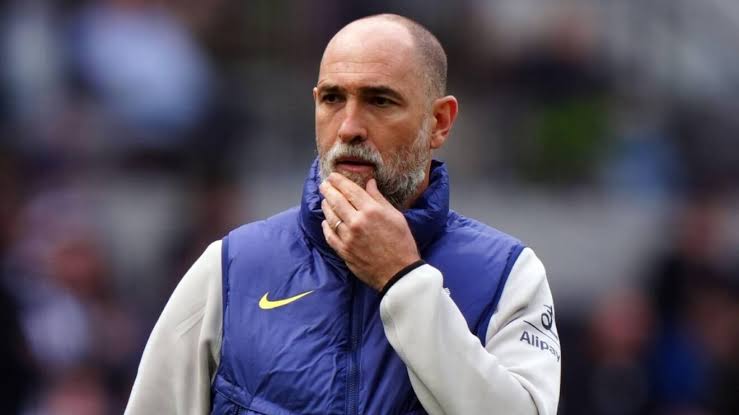
Tottenham Hotspur’s chaotic campaign has taken yet another twist, with Igor Tudor’s brief spell in charge ending almost as quickly as it began. The instability surrounding the club shows no signs of easing, as another managerial era is cut short before it could properly take shape.
According to David Ornstein of The Athletic, the decision has already been made. Tudor is set to depart by mutual consent after just 44 days at the helm — a remarkably short stint that underlines both the urgency and dysfunction at the club.
A Short Spell That Highlights Bigger Problems
Tudor was appointed in February to stabilise the team after the dismissal of Thomas Frank, but his tenure instead exposed the depth of Tottenham’s struggles.
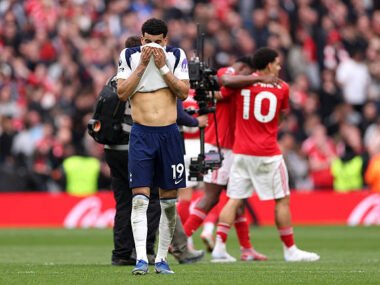
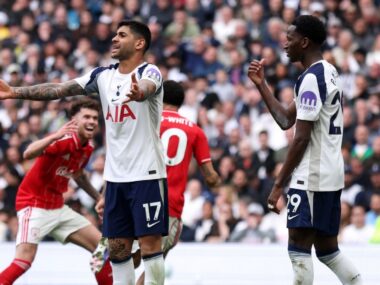
In seven matches, Spurs managed just one league point while suffering a string of defeats. The heavy 3-0 loss to Nottingham Forest — a direct relegation rival — proved to be the breaking point. That result left Tottenham sitting 17th, just above the relegation zone, far below expectations for a club of their stature.
There were brief positives. A draw away at Liverpool ended a six-game losing run, while a Champions League victory over Atletico Madrid offered a temporary boost. However, these moments were isolated and failed to shift the overall trajectory.
Performances and Decisions Under Pressure
Tudor’s reign was also marked by high-pressure decisions. The Champions League clash with Atletico Madrid summed up the chaos, as Spurs conceded four goals inside 22 minutes.
Goalkeeper Antonín Kinský was substituted early after costly mistakes, a move that reflected both tactical desperation and a lack of stability within the squad. Despite winning the return leg, Tottenham’s elimination highlighted their inability to perform consistently at the highest level.
When asked about his future after that defeat, Tudor’s brief response — “no comment” — hinted that the end was near.
Ongoing Instability in Leadership
Tottenham now face the prospect of appointing a third manager this season, continuing a worrying pattern of constant change.
Tudor’s exit follows that of Thomas Frank, who had only been in charge since the summer. Before him, Ange Postecoglou delivered European success but struggled to maintain domestic consistency.
This revolving door has made long-term planning increasingly difficult. Each new manager arrives under pressure to deliver instant results, yet is given little time to implement lasting improvements. Reports also suggest the club had already begun considering alternatives, indicating that contingency plans were in place.
A Club Searching for Identity
Beyond the dugout, deeper concerns remain about Tottenham’s identity. While the squad has quality, it lacks cohesion and confidence, with performances fluctuating throughout the season.
Their position near the relegation zone reflects more than just poor results — it points to a campaign repeatedly disrupted by changes in direction.
The next managerial decision will be crucial. Spurs must choose between prioritising stability or continuing their search for immediate success, a balance that could define the remainder of their season.
Supporters’ Perspective
For fans, the situation feels all too familiar. Another managerial departure has come and gone, yet the sense of uncertainty persists.
There is some sympathy for Tudor, given how little time he had to make an impact. Still, the bigger concern lies in the ongoing cycle of instability, which has made it difficult for players to adapt and for the club to build momentum.
Supporters are likely to be frustrated by how quickly the season has deteriorated — from competing in Europe to hovering just above the relegation zone.
Ultimately, what fans crave most is clarity and direction. Tottenham have the resources and backing to compete at a higher level, but without consistent leadership, that potential continues to go unrealised.

 Alious