 Alious
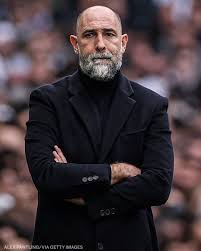
The club’s statement on Sunday evening not only confirmed the exit of Igor Tudor, but also announced that goalkeeping coach Tomislav Rogic and fitness coach Riccardo Ragnacci have departed as part of the backroom reshuffle.
Tudor’s short tenure is already being viewed as one of the most chaotic spells in Tottenham Hotspur’s modern era. Appointed in February following the dismissal of Thomas Frank, he was brought in to stabilise a side already struggling for consistency. However, results failed to improve. The Croatian managed just one win in seven matches—a 3-2 victory over Atlético Madrid in the UEFA Champions League—but Spurs still crashed out 7-5 on aggregate.
Off the pitch, the separation appears unusually smooth. According to Alex Crook, Tudor chose to leave without any compensation, effectively waiving his severance package. That decision highlights a mutual understanding between both parties that the appointment had not worked, avoiding what is often a lengthy and costly managerial payoff process in modern football.
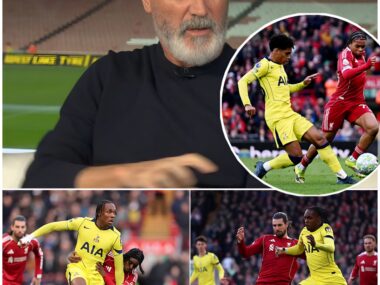
On the pitch, the numbers paint a bleak picture. Spurs failed to win any of their five Premier League games under Tudor, collecting just one point in a draw against Liverpool FC. Even more concerning was their defensive collapse, conceding 20 goals across all competitions in that short spell—one of the worst defensive records in the league during that period.
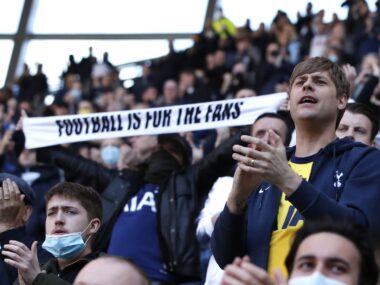
Beyond football, personal tragedy also played a significant role. Reports indicate Tudor was informed of the death of his father, Mario Tudor, shortly after the humiliating 3-0 defeat to Nottingham Forest on March 22. The club publicly acknowledged his loss, offering condolences and support. Combined with mounting pressure from fans and a toxic atmosphere following that defeat, it’s believed these factors accelerated his decision to step away during the international break.
Looking ahead, Spurs find themselves in a precarious position. Sitting 17th—just one point above the relegation zone—with seven games remaining, the club is facing a genuine fight for survival. Relegation would mark their first drop from the top flight since 1977, underlining the scale of the crisis.
Attention now turns to the managerial search. Sean Dyche, known for his ability to organise struggling teams, has already stated that no contact has been made. Meanwhile, Roberto De Zerbi—who impressed during his time at Brighton & Hove Albion—remains a strong candidate, admired for his attacking philosophy.
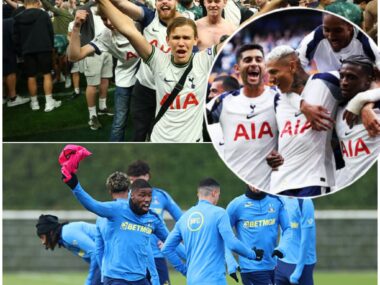
Internally, there is also discussion about appointing a short-term “firefighter” manager to secure survival before making a long-term appointment in the summer. With key players underperforming and dressing-room morale reportedly low, the next decision could define the club’s immediate future.

 Alious