 Alious
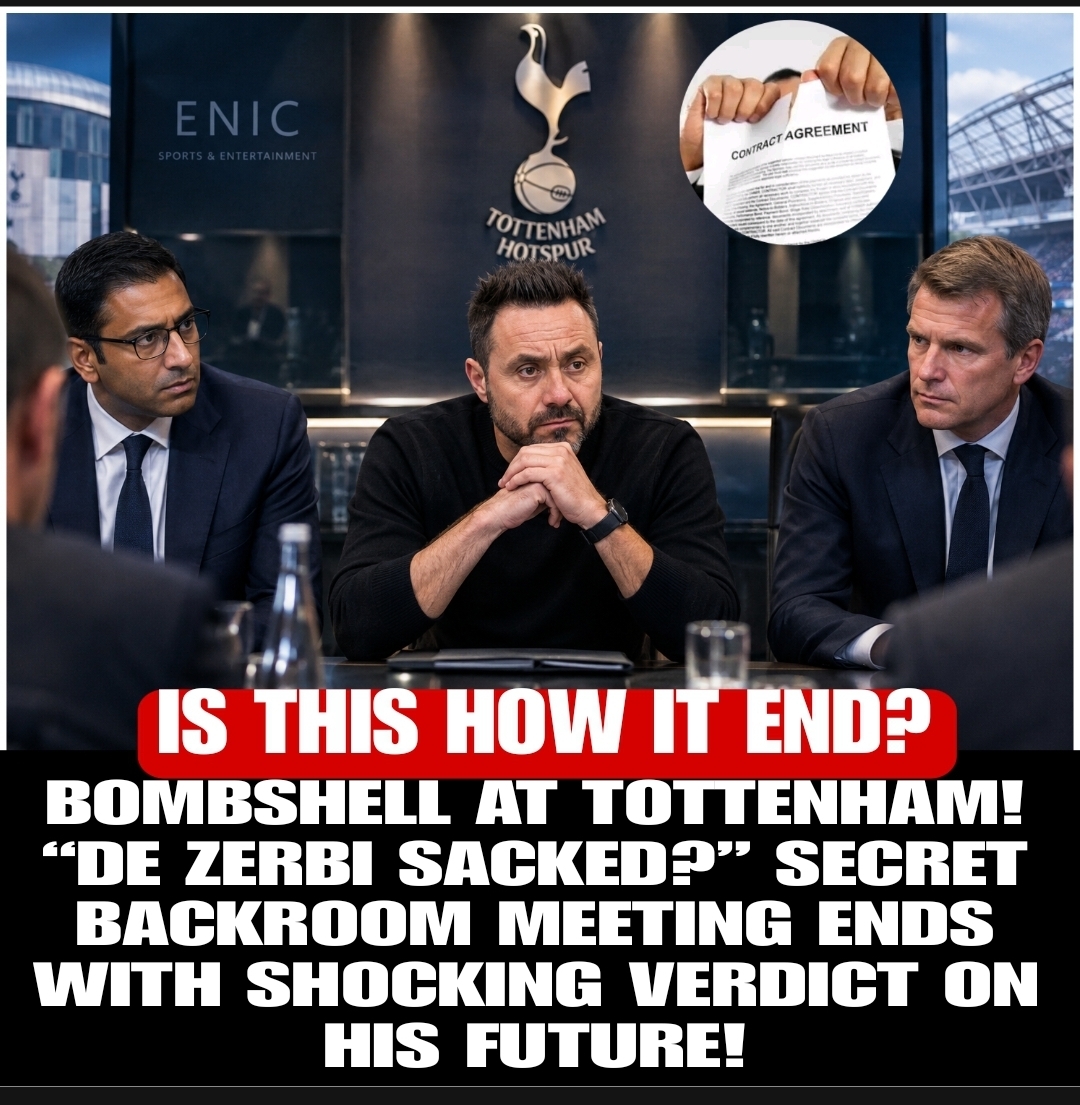
Tottenham Hotspur are facing difficult questions about their direction under Roberto De Zerbi, but many supporters would argue that dismissing the Italian manager now would be the wrong decision. Despite the disappointing results, growing frustration and concerns about the team’s attacking performances, there are compelling reasons why Spurs should resist the temptation to make another managerial change.
For a club that has experienced too much instability in recent seasons, removing De Zerbi before he has had a fair opportunity to implement his ideas could create more problems than it solves.
Tottenham supporters have every right to demand better performances. They want to see their team competing with the strongest clubs in the Premier League, creating chances, scoring goals and playing with the confidence expected of a side with significant financial resources. However, there is an important difference between demanding improvement and deciding that the manager must immediately lose his job.
The question Spurs must answer is whether De Zerbi is genuinely incapable of turning things around or whether he needs more time, greater consistency and the right support from the club’s hierarchy.
For many fans, the answer should be obvious: Tottenham cannot continue changing managers whenever the situation becomes uncomfortable and expect their long-term problems to disappear.
Spurs Supporters Have Seen This Story Before
One of the strongest arguments against sacking De Zerbi is Tottenham’s recent history of managerial instability.
Over the years, Spurs have experienced different managerial philosophies, tactical approaches and rebuilding plans. Every new appointment brings fresh promises, renewed optimism and expectations that the club will finally discover a winning formula.
However, when results deteriorate, those plans can quickly be abandoned. Another manager arrives, the squad must adapt to another system, and supporters are asked to believe that a different appointment will deliver the transformation they have been waiting for.
This repeated cycle raises an uncomfortable question: what happens if De Zerbi leaves and his replacement encounters exactly the same problems?
A new manager would inherit many of the same players, weaknesses and expectations. Some footballers might flourish under a different system, but others could struggle again. Recruitment decisions, squad balance and the club’s wider footballing strategy would remain important factors regardless of who occupies the dugout.
Tottenham need to establish a clear identity rather than continually starting from scratch.
If the club genuinely believes De Zerbi is the right person to lead its next chapter, it must demonstrate that conviction when results become difficult. Appointing a manager and then dismissing him before his ideas have been properly implemented would make it harder for Spurs to attract confidence in their long-term project.
Poor Results Cannot Be Ignored, But Context Matters
There is no reason to pretend Tottenham’s recent performances have been good enough.
Supporters have watched disappointing displays, missed opportunities and a worrying lack of goals. Results against Brentford, Newcastle United and Nottingham Forest have intensified scrutiny, while the subsequent goalless draw against Everton has added to the frustration.
For a club that has invested heavily in its squad, such performances are understandably difficult to accept.
Nevertheless, football cannot be judged entirely by the final score. The quality of chances created, tactical organisation, player availability, individual errors and the team’s response to setbacks must also be considered.
If Spurs are struggling to convert opportunities, the answer may involve improving the forwards’ movement, introducing different attacking combinations or adjusting the tactical approach. If the problem lies in the midfield, the manager may need to reconsider how the team progresses the ball.
These issues require honest analysis rather than an automatic decision to sack the manager.
De Zerbi should be held accountable for the performances under his leadership. He must demonstrate that he can identify weaknesses, make effective adjustments and deliver measurable improvements.
But accountability should not automatically mean dismissal.
The important consideration is whether Tottenham are seeing evidence of a plan that can work or whether the same problems are continuing without meaningful progress. The club should assess that distinction carefully before making an irreversible decision.
De Zerbi Needs Time to Build His Own Tottenham Team
A manager’s tactical philosophy cannot always be established overnight.
De Zerbi is known for wanting his teams to build possession from the back, draw opponents forward and create spaces that can be exploited through intelligent movement. Such an approach requires players who understand their responsibilities, remain composed under pressure and make the correct decisions in difficult situations.
When the system works, it can produce attractive, progressive football. However, when players are unfamiliar with its demands or lack the necessary qualities, the same approach can expose weaknesses and invite criticism.
Tottenham must decide whether they recruited De Zerbi because they believed in his footballing principles or simply because they expected immediate results.
If the club wanted a manager capable of developing a distinctive playing style, it cannot reasonably abandon that ambition at the first serious obstacle.
The squad may need adjustments to suit his methods. Certain players might require time to understand their roles, while others may not be ideal fits for the system.
Those are precisely the issues that a coherent recruitment strategy should address.
Sacking De Zerbi without giving him a meaningful opportunity to shape the team could leave Tottenham paying the price for another incomplete project.
The Players Must Also Take Responsibility
Another argument against making the manager the sole target of criticism is that footballers must accept responsibility for their performances.
A manager can prepare a team, develop a tactical plan and provide instructions, but he cannot personally execute every pass, win every duel or finish every opportunity.
If Tottenham’s forwards continue wasting promising chances, their finishing must improve. If defenders make costly mistakes, their concentration must be questioned. If midfielders repeatedly lose possession in dangerous areas, their decision-making must be examined.
It would be unfair to place every failure at De Zerbi’s door without assessing the contribution of the players themselves.
Supporters should demand more from everyone involved, including the coaching staff and the club’s decision-makers.
At the same time, De Zerbi must prove that he can motivate his squad, improve individual performances and establish standards that players are expected to meet.
Backing the manager does not mean giving him unlimited protection. It means allowing him a reasonable opportunity to demonstrate that he can solve the problems for which he is responsible.
Another Dismissal Could Make Tottenham’s Problems Worse
Removing De Zerbi might provide a temporary sense of action, particularly if supporters are demanding immediate changes. However, the consequences could extend far beyond the departure of one manager.
Tottenham would need to identify a replacement, negotiate an appointment and potentially restructure the coaching staff. The squad would then face another adjustment period as players learned new instructions and adapted to different expectations.
There would also be questions about compensation, recruitment priorities and the direction of the club’s footballing project.
Most importantly, a managerial change would not automatically solve Tottenham’s goalscoring difficulties.
If the underlying problems involve squad construction, player confidence or a lack of suitable attacking options, replacing the manager alone may offer little lasting improvement.
Spurs should therefore avoid confusing a dramatic decision with an effective solution.
The club needs to establish what is actually going wrong and determine whether those issues can realistically be corrected under the current manager.
Tottenham Fans Deserve a Clear Plan, Not Another Panic Button
Supporters are not asking for perfection. They want evidence that their club is moving in the right direction.
They want a team that competes with determination, creates chances consistently and shows enough tactical intelligence to respond when opponents make life difficult. They also want the hierarchy to make decisions based on a coherent long-term strategy rather than the emotional reaction to a few disappointing results.
De Zerbi must understand that patience is earned through progress. If performances remain poor, goals continue to disappear and the team shows no improvement, criticism will inevitably intensify.
However, if Tottenham can demonstrate greater organisation, improve their chance creation and gradually restore confidence, there may be good reasons to continue with the project.
The club should establish clear performance targets, review progress regularly and ensure the manager receives the support required to address the squad’s weaknesses.
That would provide a more sensible framework than allowing speculation about his future to dominate every disappointing result.
The Verdict: Sacking De Zerbi Now Could Be a Costly Mistake
Tottenham are entitled to expect better from Roberto De Zerbi, and the Italian must recognise that results ultimately determine whether a manager remains in his position.
But dismissing him without properly evaluating the causes of the team’s struggles could represent another expensive mistake in a club that needs stability as much as success.
Spurs must consider whether the problems are genuinely beyond De Zerbi’s ability to solve, whether the squad is suited to his tactical demands and whether sufficient time and support have been provided.
If the answers suggest that progress remains possible, patience could prove far more valuable than another managerial upheaval.
Tottenham cannot keep promising a fresh beginning while repeatedly abandoning the previous one before it has had a fair chance to succeed.
For supporters who want a club built around clear principles, intelligent recruitment and sustained progress, the message is simple: judge De Zerbi on his ability to improve the team, not solely on the frustration of the latest result.
Sacking Roberto De Zerbi now might satisfy some angry supporters in the short term, but could it leave Tottenham facing the same problems all over again?


 Alious