 Alious
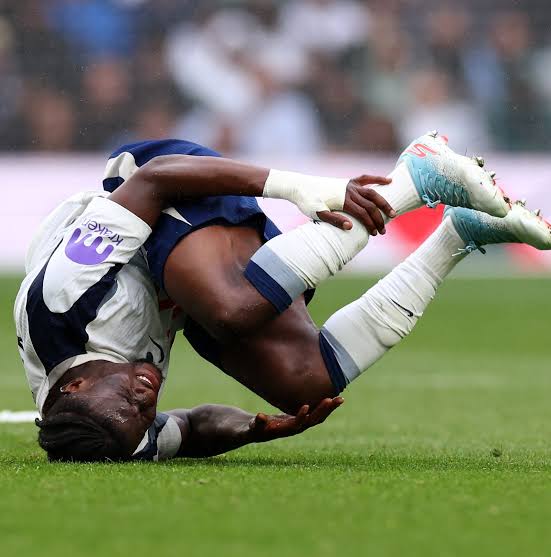
Tottenham Hotspur’s ongoing injury concerns have taken a troubling turn, with a growing sense of frustration among supporters over how key player situations have been handled throughout the past year.
What initially appeared to be isolated setbacks are now forming a concerning pattern—one that raises serious questions about communication, recovery timelines, and the club’s medical processes.
Take Dejan Kulusevski, for example. The Swedish forward sustained a knee injury against Crystal Palace in May 2025, with early assurances suggesting it was nothing more than a minor knock. However, that narrative quickly unraveled. Within weeks, surgery was required, followed by vague projections of a short-term absence. Months passed with little clarity, and by February 2026, there was still no definitive return date. By March, Kulusevski had undergone yet another procedure—compounding concerns over the accuracy of initial diagnoses and recovery expectations.
A similar story unfolded with Dominic Solanke. After picking up an ankle injury during pre-season in July 2025, the striker was cleared to feature early in the campaign, even appearing in the Super Cup and opening Premier League fixtures. Yet by the end of August, he suffered a recurrence. Updates in October painted an optimistic picture, with talk of a return after the November international break. That return never materialized on schedule. Despite assurances in December that there had been no setback, Solanke only made his comeback in January 2026—months later than initially suggested.
Perhaps most frustrating of all is the case of Mohammed Kudus. The Ghanaian midfielder suffered a groin injury in January 2026, with scans later revealing the issue to be more severe than first believed. Initially ruled out for around three months, Kudus even sought specialist treatment in Amsterdam as part of his recovery. By March, reports were overwhelmingly positive—he was “progressing very well” and even tipped to return within ten days. There was optimism he could feature against Sunderland. Instead, April brought a devastating relapse, ruling him out for the remainder of the season and requiring surgery.
Three players. Three injury cases. One recurring theme: overly optimistic timelines, unclear communication, and setbacks that seem to arrive just as returns appear imminent.
For a club that had reportedly promised “wholesale changes” to its medical department, there is little visible evidence that meaningful improvements have been made. If anything, the pattern suggests deeper structural issues—ones that could have significant implications not just for this season, but for Tottenham’s long-term stability and player welfare.
At a time when every point matters, especially amid fears of relegation, Spurs cannot afford continued uncertainty behind the scenes. The talent is there—but without trust in the systems designed to protect and recover players, even the most promising campaigns can quickly unravel.

 Alious