 Alious
In a match billed as the richest in world football, Sunderland’s return to the Premier League wasn’t just about financial windfalls or flashy signings—it was a celebration of local pride triumphing on football’s grandest domestic stage. Against Sheffield United in the 2025 Championship Play-off Final at Wembley, it wasn’t only the chants or accents that spoke of Northern grit—it was the young men on the pitch, many of them raised within earshot of the Stadium of Light, who wrote the story.
While media narratives often spotlight million-pound imports like Gus Hamer or Jobe Bellingham, Sunderland’s true tale of promotion revolves around names that won’t yet sell shirts abroad—but mean everything at home. Leading them out as captain was **Dan Neil**, a South Shields native, making his **197th appearance** for the club at just 23. His performance may not have been his finest, but he embodied the emotions of the entire Mackem faithful.
**Anthony Patterson**, born in North Shields, made two crucial, game-defining saves that will be remembered as promotion clinchers. **Chris Rigg**, not yet old enough to legally drink, was trusted to start the final after a breakout season—he’s from nearby Hebburn, born in 2007 when Sunderland had just been promoted under Roy Keane.
And then came the fairy-tale ending: **Tommy Watson**, a teenager headed to Brighton for £10 million, scored a sublime stoppage-time winner with what will be his final kick for the club he grew up idolising. Born within ten miles of Sunderland’s home ground like Neil, Patterson, and Rigg, Watson’s emotional farewell was the kind of football poetry that feels too perfect to script.
Even with standout contributions this season from international recruits like Wilson Isidor (Zenit), Enzo Le Fée (Roma), and Eliezer Mayneda (whose equaliser in the final showcased sublime skill), the heart of this Sunderland squad is unmistakably local. And that’s what made their triumph feel timeless.
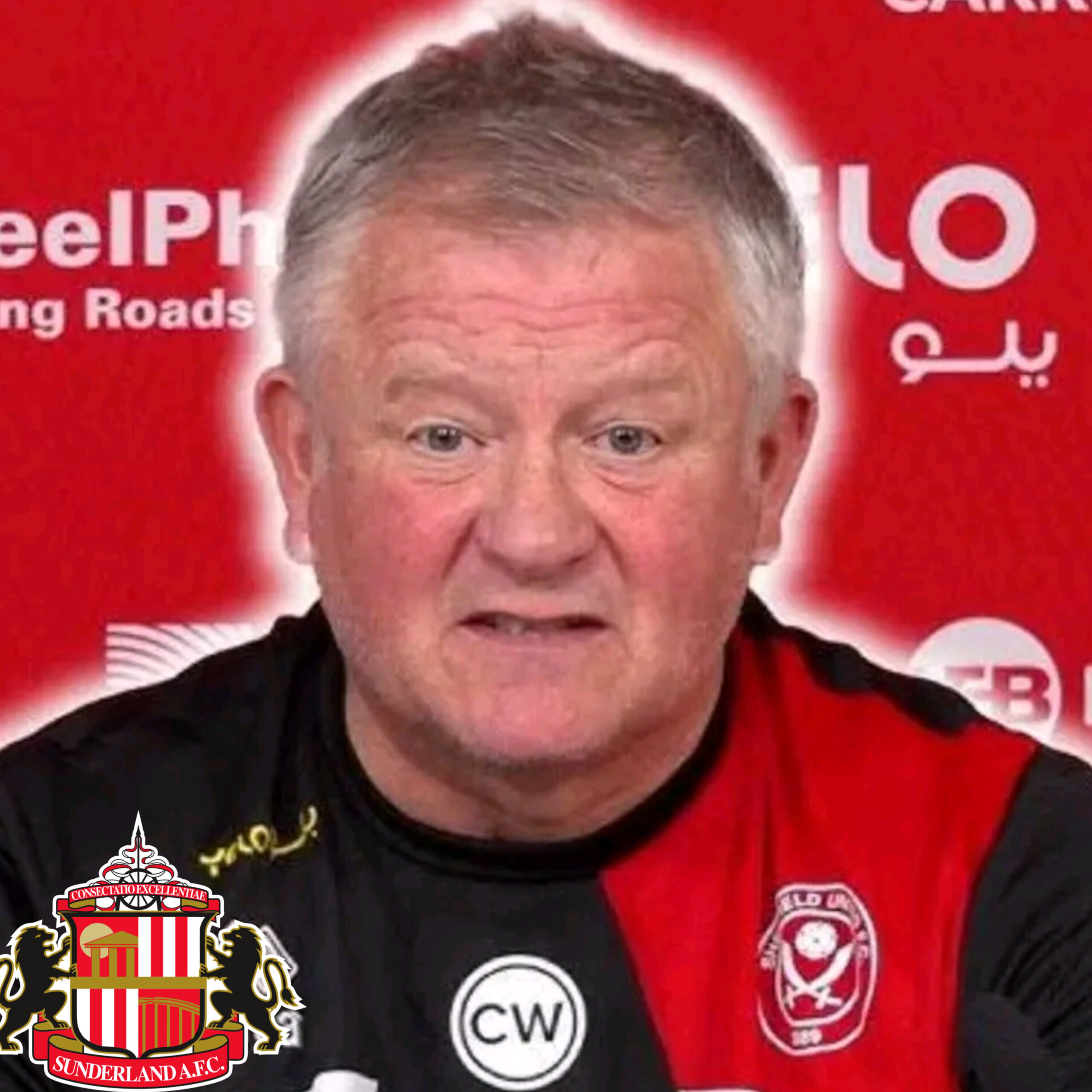
On the opposite touchline, **Chris Wilder**, himself a lifelong Blade, felt the sting more than most. Having played for, supported, and managed Sheffield United, the defeat rekindled years of personal and professional heartbreak in the play-offs. “We had a chance to rewrite our story,” he said, visibly gutted. “It’ll take us time to move on. Me especially.”
But while one club mourns, another celebrates. For the 35,000-plus Sunderland fans in red and white, this victory wasn’t just about Premier League status—it was about **local lads achieving the impossible in front of their own**. In an era of skyrocketing transfer fees and international rosters, Sunderland’s win served as a powerful reminder of what football used to be—and, on rare, magical days like this, still can be.

 Alious