 Alious
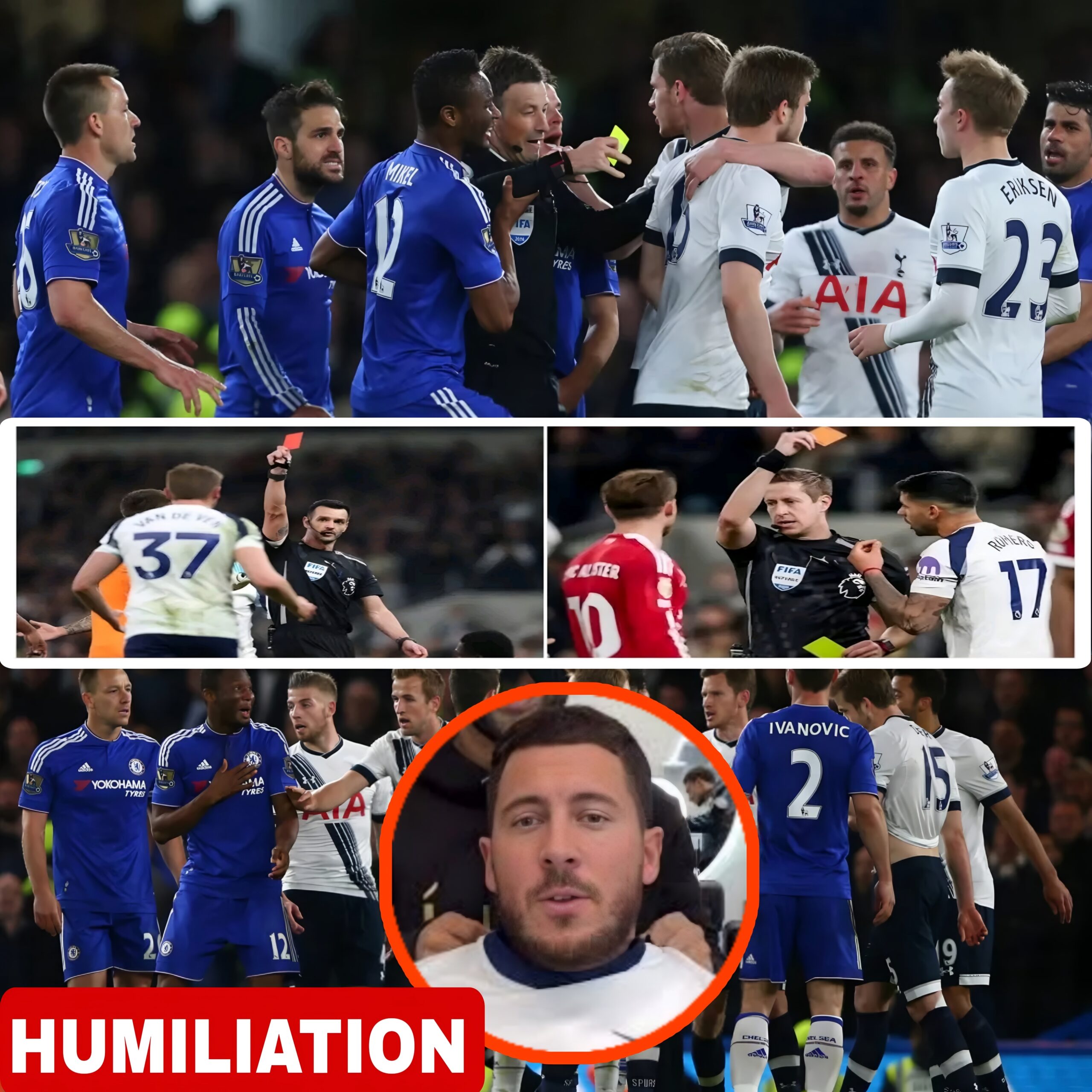
Tottenham’s bitter rivalry with Chelsea FC is set to reignite on May 19, but few clashes in Premier League history carry the same explosive legacy as the notorious 2016 “Battle of the Bridge” — a night where tempers snapped, control vanished, and the title race was blown wide open.
A decade on, that ill-tempered showdown still defines the bad blood between the two London sides.
Spurs arrived at Stamford Bridge clinging to their first-ever Premier League title dream, needing victory to keep pressure on Leicester City. Instead, they unravelled in dramatic fashion.
At the time, José Mourinho had already been dismissed, leaving Chelsea drifting under Guus Hiddink with little left to play for.
On paper, it looked like a straightforward opportunity for Tottenham — but this was no ordinary match.Even before kickoff, the mood was hostile.
Eden Hazard openly declared he didn’t want Spurs winning the league, a sentiment echoed by Cesc Fàbregas. That edge quickly spilled onto the pitch.From the opening minutes, the game descended into chaos.
Reckless tackles flew in, tempers flared, and discipline evaporated. Despite the hostility, Tottenham initially kept their composure where it mattered — goals from Harry Kane and Son Heung-min handed them a 2-0 lead at halftime while others focused more on confrontation than football.
But the second half told a very different story.Flashpoints erupted everywhere — from Diego Costa’s relentless agitation to a series of wild challenges that somehow avoided red cards. Spurs lost control completely.
Chelsea clawed their way back through Gary Cahill before Hazard delivered a stunning equaliser that effectively handed Leicester City the title.The final whistle did little to restore order, with another mass confrontation breaking out as emotions spilled over yet again.
Tottenham ended the night with a record nine yellow cards — a statistic that barely reflected the sheer level of chaos on display.The biggest shock, however, came a year later.
Referee Mark Clattenburg revealed he had deliberately avoided sending players off, claiming he allowed Spurs to “self-destruct” to ensure the narrative remained about their collapse — not his decisions.
According to Clattenburg, strict officiating could have reduced Tottenham to seven or eight men, shifting blame onto the referee instead of the players. Instead, he chose a different path — one that let the drama unfold unchecked and ensured Spurs had no excuses as their title hopes slipped away.
His admission sparked controversy, raising questions about player safety and refereeing ethics, especially with UEFA Euro 2016 just weeks away.Whether viewed as clever game management or reckless oversight, one thing is certain — that night at Stamford Bridge wasn’t just a match.
It was a meltdown, a turning point, and one of the Premier League’s most unforgettable spectacles.

 Alious