 Alious
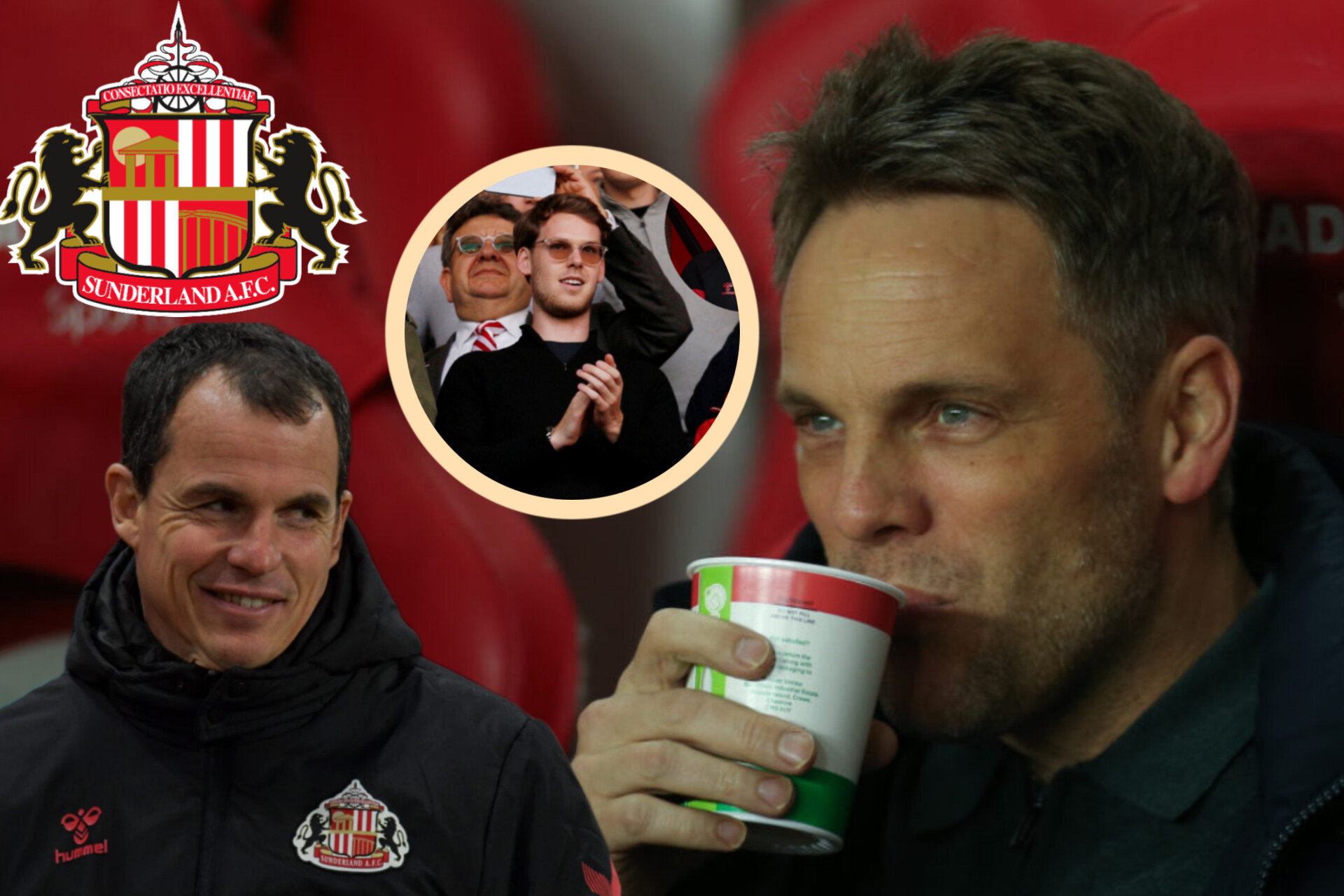
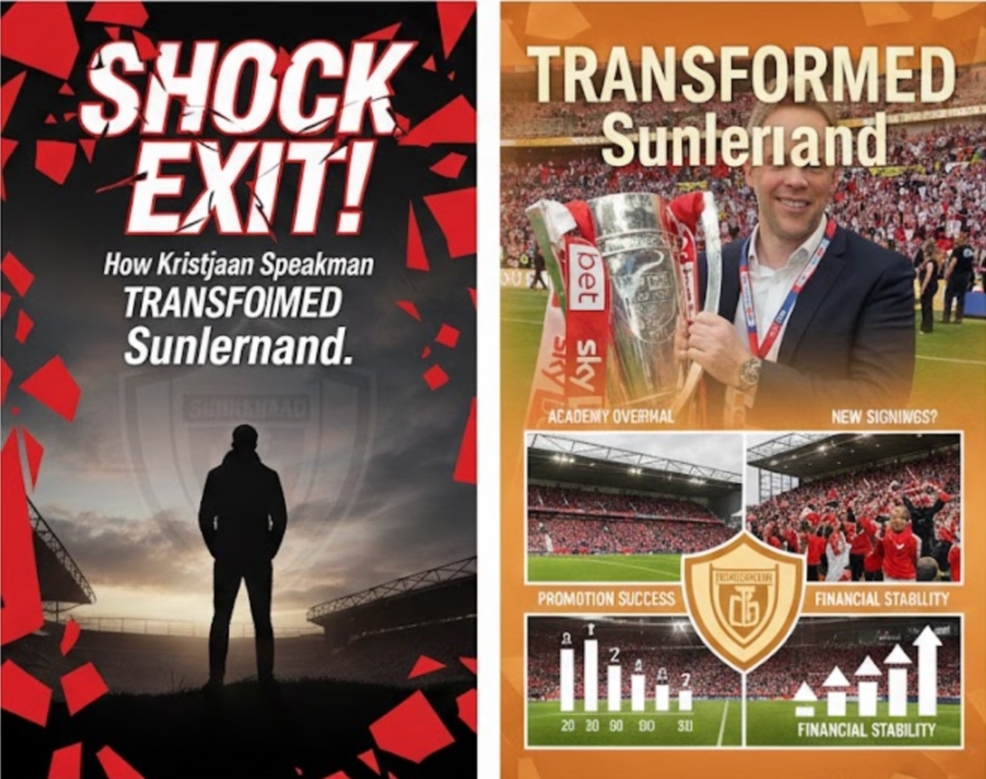
When Kristjaan Speakman arrived at Sunderland in December 2020, the club looked stuck in a nightmare with no clear exit route.
They were sitting seventh in League One, fresh off a frustrating 1-1 home draw against Burton Albion, and still carrying the scars of years of chaos behind the scenes. Fast forward to today, and Speakman leaves Sunderland as an established Premier League side sitting 11th, even after suffering their first home defeat of the season against Liverpool.
The transformation is almost unrecognisable.
Back then, Sunderland were still a club trying to recover from the wreckage left during the Stewart Donald and Charlie Methven era. The squad was underachieving, recruitment was outdated, revenues were stagnant, and multiple managers had failed to deliver the one thing supporters demanded most — promotion out of League One.
Speakman walked into that mess fully aware that Sunderland had been hollowed out.
But his arrival marked a turning point.
The Appointment That Changed Sunderland’s Direction
Speakman didn’t come in as just another football executive. After 14 years at Birmingham City, he was seen as a modern, forward-thinking figure with a strong belief in data-driven recruitment and long-term planning.
The club’s statement at the time made it clear Sunderland wanted something different — a sporting director who would overhaul the football structure, modernise recruitment, improve development, and create a real pathway from academy to first team.
It sounded like corporate football jargon at first, and many fans even mocked it over time.
But the truth is, Sunderland finally began acting like a serious club again.
‘The Model’ That Sparked Success (And Controversy)
Speakman’s reign became defined by what Sunderland supporters came to know simply as “the model.”
At first, it was controversial. Many fans doubted it. Some managers clashed with it. In fact, it was one of the key reasons certain head coaches eventually left.
But the philosophy was clear:
sign young talent from undervalued markets
develop them inside the first-team environment
either sell for profit or benefit from their growth
Today, this approach is common across football. But when Sunderland embraced it early, it felt risky and unconventional.
Yet it worked.
Recruitment Masterclass That Delivered Promotions
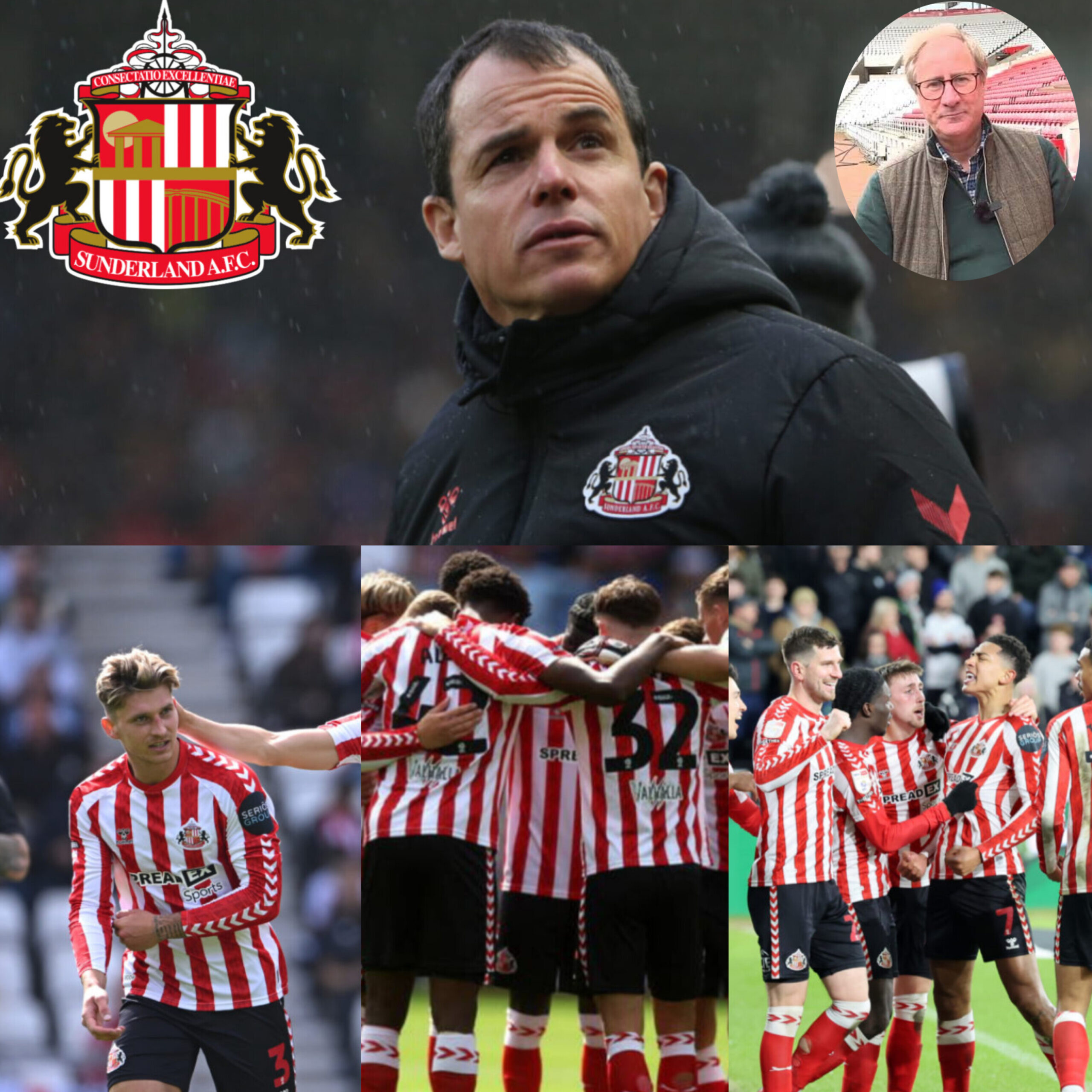
Speakman’s biggest legacy is the players Sunderland brought in under his leadership.
The list speaks for itself:
Jobe Bellingham signed for around £3m, later sold for £30m
Dan Ballard taken from Arsenal’s system and developed into a key figure
Trai Hume signed for just £150,000 from Linfield
and last summer’s Premier League-level window that brought in names like Nordi Mukiele, Omar Alderete, Noah Sadiki, and Habib Diarra
These weren’t random signings.
They were the result of a clear strategy Sunderland committed to, and Speakman was at the heart of it.
So Why Has Speakman Left Now?
While Speakman still played a role in Sunderland’s recent progress, the dynamic changed dramatically with the arrival of Florent Ghisolfi as director of football.
There wasn’t a public fallout. No dramatic clash.
But behind the scenes, it became increasingly obvious that the balance of power shifted.
Ghisolfi’s appointment came with responsibilities that overlapped with areas Speakman had controlled for years. His European expertise and overseas network reflects where Sunderland are heading next — a club aiming to compete long-term at Premier League level with global recruitment reach.
And that may be the key point.
Sunderland’s ambition has outgrown the structure that once rebuilt them.
No Crisis, No Panic — Sunderland Are Ready
Unlike many clubs who lose key football figures and spiral into uncertainty, Sunderland are not facing upheaval.
Ghisolfi is already embedded, meaning the club won’t enter a summer window scrambling for leadership or direction — something Newcastle United have previously suffered from when lacking a recruitment specialist.
Sunderland can now move forward smoothly, preparing for the next phase: staying in the Premier League and pushing even higher.
A Legacy That Will Be Hard To Match
From League One frustration to Premier League stability, Speakman played a massive role in reshaping Sunderland’s identity.
He helped modernise the club, fixed recruitment, rebuilt the squad with smart investments, and laid the foundations that delivered two promotions.
Whether Sunderland have “outgrown” him or simply evolved into something new, one thing is clear:
Kristjaan Speakman helped plot Sunderland’s path back to the top — and leaves with the club in the best position it’s been in for years.

 Alious