 Alious
Liverpool and Tottenham delivered a tense encounter at Anfield that underlined the inconsistency plaguing both sides this season. Despite expectations that Liverpool FC would cruise to victory, Tottenham Hotspur showed resilience to earn a hard-fought result.
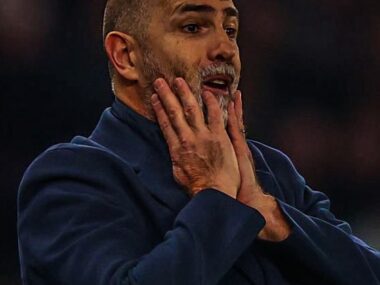
The hosts edged ahead in the first half when Dominik Szoboszlai curled in a free-kick that goalkeeper Guglielmo Vicario might feel he should have dealt with more convincingly. However, Igor Tudor’s side refused to fold, and their persistence paid off late on when Richarlison struck to secure a deserved share of the spoils.
Yet, much of the post-match discussion has revolved around a major refereeing controversy involving VAR. Former PGMOL chief Keith Hackett was particularly critical of the officials, insisting a pivotal moment in the second half was mishandled.
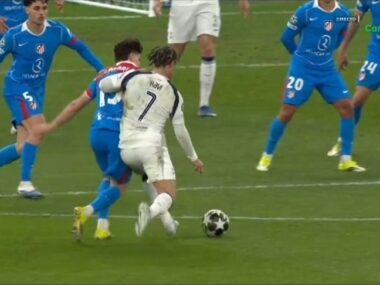
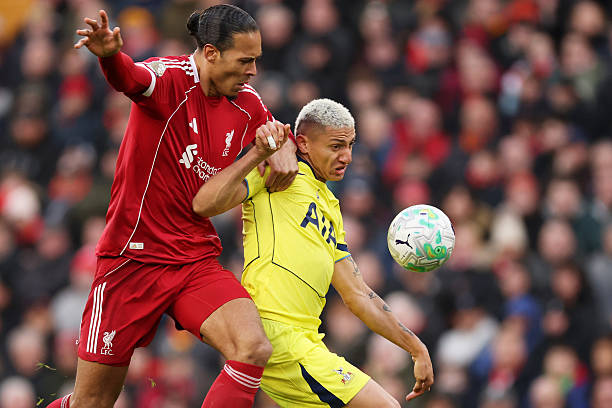
The flashpoint involved Virgil van Dijk and Richarlison, with the Liverpool captain appearing to impede the Brazilian as he moved toward goal. Hackett argued that the incident met the threshold for both a penalty and a red card for denying an obvious goalscoring opportunity.
According to Hackett, the key issue wasn’t just the on-field decision by referee Chris Kavanagh, but the failure of VAR to intervene. He maintained that while Kavanagh’s angle may have been limited, VAR officials had access to multiple replays that clearly showed holding contact sufficient to warrant punishment.
This incident adds to a growing narrative around perceived inconsistencies in VAR usage across the Premier League. Similar debates have emerged in recent seasons, where subjective interpretations of “clear and obvious errors” have led to frustration among pundits and fans alike. In this case, some analysts noted that had the roles been reversed—particularly at a high-pressure venue like Anfield—the outcome of the review might have been different.
There were also quiet suggestions in refereeing circles that VAR’s reluctance to overturn decisions involving last-man challenges has increased this season, partly due to ongoing directives aimed at maintaining on-field authority. Critics argue this approach can undermine the very purpose of VAR, especially in situations involving potential denial of a clear goalscoring opportunity.
Hackett’s criticism is not new when it comes to Van Dijk. He has previously pointed to multiple incidents involving the Dutch defender that went unpunished, including off-the-ball clashes with attacking players. Despite this, Van Dijk’s disciplinary record remains remarkably clean for a centre-back, having received relatively few bookings across hundreds of appearances for Liverpool.
Ultimately, while the 1-1 draw reflected Tottenham’s determination and Liverpool’s missed opportunity, the lingering talking point remains the officiating. Once again, VAR—designed to eliminate clear mistakes—has instead become the centre of debate, leaving questions about consistency, interpretation, and accountability in the modern game.

 Alious