 Alious
If Tottenham Hotspur boss Igor Tudor had any doubts about the scale of the challenge facing him, they have surely disappeared now.
The Croatian coach has begun his tenure with back-to-back defeats against Arsenal FC and Fulham FC, leaving Spurs hovering just four points above West Ham United, who occupy the final relegation place.
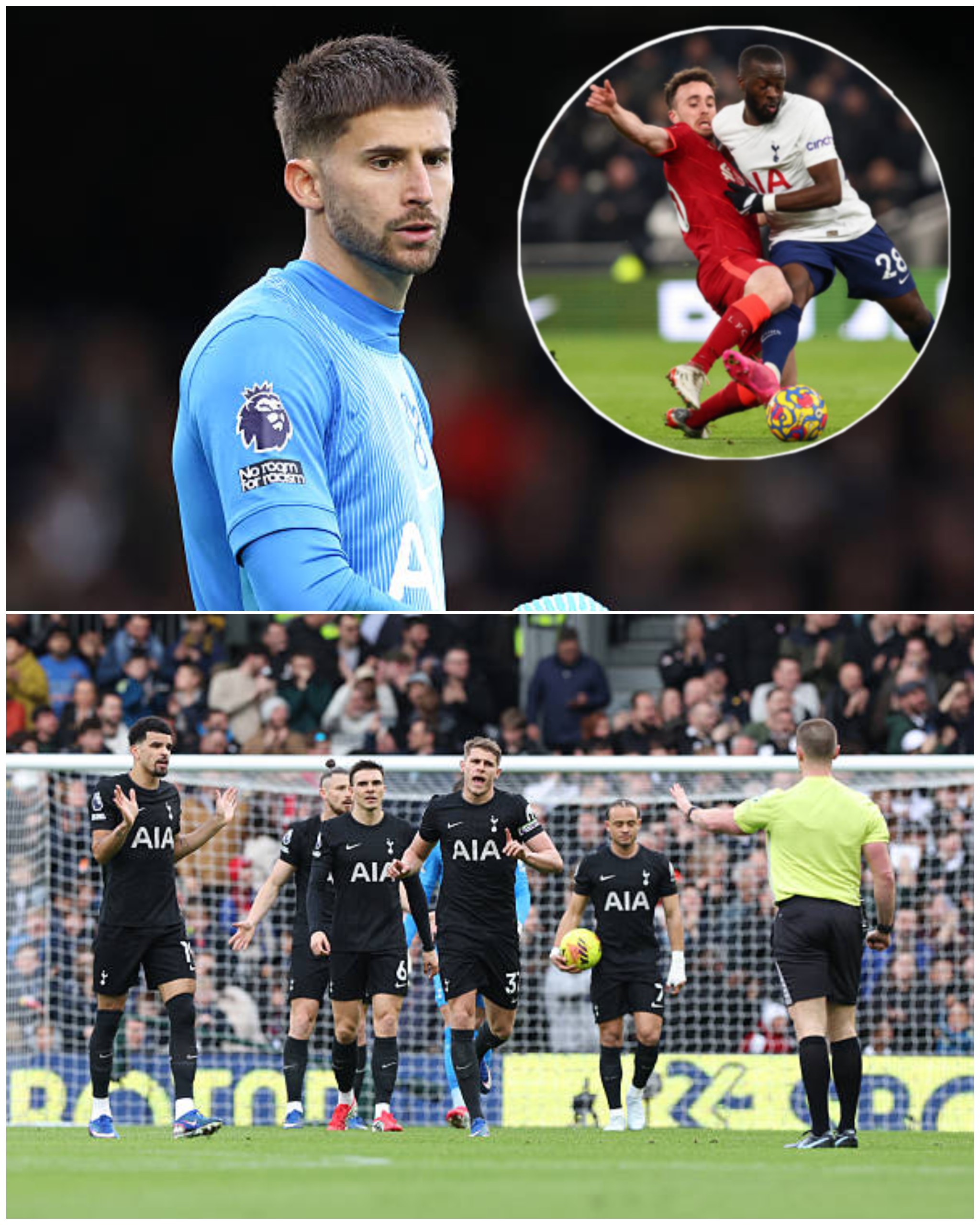
Following the loss to Fulham, Tudor voiced his anger over the opening goal. He accused Raul Jimenez of “cheating,” arguing that the forward’s hand on Radu Dragusin should have been penalised in the build-up to Harry Wilson’s strike. In Tudor’s view, it was a clear push rather than a genuine attempt to play the ball.
His frustration may also have been heightened by the recent disallowed goal from Randal Kolo Muani against Arsenal, which was ruled out for a shove on Gabriel Magalhaes — an incident many felt involved even greater contact.
However, regardless of the debate surrounding Wilson’s goal, Tottenham’s problems ran far deeper than one refereeing decision.
The bigger picture
Even excluding Wilson’s opener — which carried an expected goals (xG) value of 0.25 — Fulham still created far more danger. The hosts finished with an xG of 1.89 compared to Spurs’ 0.88, rising to 2.14 when Wilson’s effort is included.
In short, the statistics underline what the performance suggested: Tottenham were second best on the day, and their struggles cannot simply be pinned on the officials.
| Stat | Fulham | Spurs |
|---|---|---|
| Possession | 54% | 46% |
| Shots | 18 | 13 |
| Shots inside the box | 15 | 10 |
| Shots on target | 4 | 1 |
| Big chances | 3 | 1 |
| xG | 2.14 | 0.88 |
Despite lining up with several defensively minded players, Tottenham Hotspur were repeatedly exposed at the back against Fulham FC. The hosts carved out enough opportunities to win far more comfortably, but wasteful finishing — particularly from Emile Smith Rowe — kept the scoreline tighter than it might have been.
While there is an argument that the opening goal should not have stood, Spurs’ bigger concern lies in their recurring defensive weaknesses. Those issues appear rooted in years of questionable recruitment, which have left the squad short of the quality expected from a side aiming to compete in the Premier League’s top six.
Too many signings in recent seasons have failed to live up to expectations, and the current squad looks packed with players who, based on present form, fall below the standard required for a club of Tottenham’s ambitions.
Another costly misstep?
When discussing disappointing transfers, it is difficult to overlook Tanguy Ndombele. Signed in 2019 for a then-club-record £62.8m, he managed just ten goals in 91 appearances over five years before departing for OGC Nice on a free transfer in 2024 — a deal widely viewed as one of the club’s most expensive mistakes.
Now, there are growing concerns that Spurs may have repeated history. The £34m January signing of Conor Gallagher places him among the club’s most expensive arrivals, and reports suggesting he earns £200,000 per week make the overall package even more significant than the transfer fee alone indicates.
So far, Gallagher has struggled to justify that investment. Across his first seven Premier League starts in his second spell in England’s top flight — having previously come through at Chelsea FC — his only standout contribution has been an assist in the 2-2 draw with Manchester City. Against Fulham, he endured another difficult outing.
Given the size of the financial commitment involved, early signs suggest Gallagher could rank among Tottenham’s most disappointing signings in recent memory — uncomfortably close to the Ndombele saga.


 Alious