 Alious
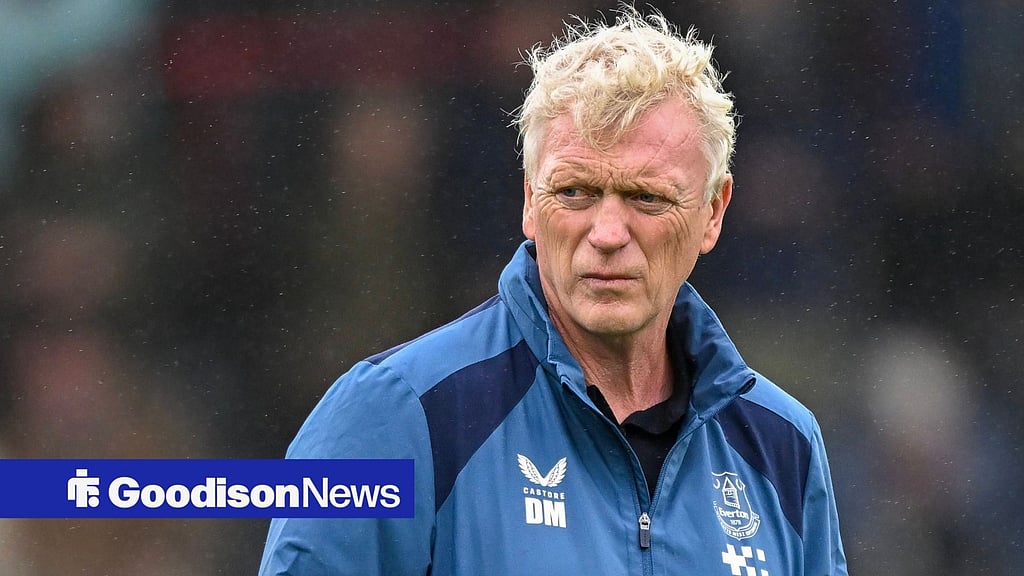
David Moyes could be preparing to receive significant support in the January transfer market after Everton’s disappointing 2-0 home defeat against Chelsea highlighted the limitations within his current squad.
Former footballer and respected pundit Pat Nevin believes the Everton manager would have little hesitation in accepting the opportunity to strengthen his team with several new arrivals when the winter transfer window opens.
The Toffees suffered their first defeat in seven matches on Saturday, 17 October, as Chelsea secured a comfortable victory at Hill Dickinson Stadium. Despite remaining competitive during the opening 45 minutes, Everton were unable to maintain their defensive organisation after the restart and eventually paid the price.
The result has raised fresh questions about whether Moyes possesses enough quality and depth to sustain Everton’s ambitions against the Premier League’s strongest sides.
Although the Scottish manager has received considerable praise for his work with a relatively small squad, the Chelsea encounter demonstrated how difficult it can be to compete when important positions lack sufficient alternatives.
With the January window approaching, Nevin’s assessment has added further weight to the argument that Everton need reinforcements if they want to maintain their progress.
Pat Nevin Predicts Moyes Would Welcome Four New Arrivals
Speaking on BBC Radio 5 Live on 17 October, Nevin discussed Everton’s performance and highlighted the importance of Kiernan Dewsbury-Hall to the team’s attacking play.
The former winger believes the midfielder remains one of the most influential figures in Moyes’ side, particularly when Everton need someone capable of connecting their midfield with the forward line.
Nevin has been impressed by Dewsbury-Hall’s contribution since his arrival, suggesting that much of Everton’s creative output continues to depend on what he can produce.
However, the pundit also recognised that the midfielder cannot solve every problem on his own, especially when the squad lacks sufficient depth in other areas.
Nevin explained that if Moyes were presented with the opportunity to recruit three or four players during the January transfer window, the manager would almost certainly welcome the offer.
His assessment reflects the growing belief that Everton require more options if they are to compete consistently throughout the second half of the campaign.
The club experienced a relatively quiet conclusion to the summer transfer window, leaving Moyes with limited alternatives in several positions. That situation has become increasingly noticeable as the season has progressed.
For a manager attempting to establish consistency and raise the team’s competitive level, having enough players available to cope with injuries, suspensions and demanding fixtures is essential.
The prospect of four additions would give Everton an opportunity to address several weaknesses simultaneously rather than relying on one or two signings to transform the squad.
However, any potential recruitment drive will depend on the club’s financial circumstances, transfer opportunities and the willingness of the Friedkin Group to provide additional backing.
Chelsea Defeat Exposes Everton’s Attacking Problems
Everton entered the match hoping to extend their impressive unbeaten sequence, but Chelsea proved too strong during the second half.
The first period ended without a goal, leaving both teams with everything to play for after the interval.
However, Chelsea needed very little time to break the deadlock. Pedro Neto scored shortly after the restart, giving the visitors the advantage and immediately increasing the pressure on the home side.
Everton struggled to respond effectively, and the visitors continued to manage the contest with greater composure.
Neto eventually struck again in the 90th minute, confirming Chelsea’s victory and leaving the Toffees without a point from their latest fixture.
Kiernan Dewsbury-Hall produced some encouraging moments, but his individual contribution was insufficient to change the outcome.
Jack Grealish also attempted to influence proceedings, although Everton lacked the collective attacking quality required to break down their opponents.
One of the biggest concerns surrounded Thierno Barry, whose difficulties in front of goal have continued to attract attention.
The striker was again unable to make the most of his opportunities, reinforcing concerns about whether Everton have enough reliable firepower in the final third.
Moyes will be aware that creating chances is only part of the challenge. His side must also become more clinical if they want to turn competitive performances into victories.
Adding another forward or a versatile attacking player could therefore become an important consideration when the transfer window reopens.
A Thin Squad Is Increasing the Pressure on Moyes
Everton’s recruitment difficulties have left Moyes working with fewer senior options than he would ideally prefer.
Reports surrounding the club’s squad situation indicate that the manager was left with only 18 outfield players following the conclusion of the summer transfer window.
Such limited numbers can become a significant disadvantage across a long Premier League campaign, particularly when injuries and changes in form begin to affect the team.
Managers need alternatives who can offer different tactical qualities, maintain competition for starting positions and provide fresh energy when regular starters become unavailable.
Without sufficient depth, the same players are repeatedly asked to shoulder the responsibility, increasing the risk of fatigue and reducing the manager’s ability to change his approach during matches.
Everton’s defeat to Chelsea illustrated some of those limitations. Although Moyes has been able to organise his side effectively during positive spells, competing against the league’s leading teams requires more than determination and defensive discipline.
The manager also needs attacking players capable of producing decisive moments, midfielders who can control difficult matches and defenders who can maintain concentration under sustained pressure.
January could provide an opportunity to address those shortcomings, but Everton must identify suitable targets and act decisively if they want to improve their position.
Supporters Remain Divided Over Moyes’ Approach
Despite the positive assessments of Moyes’ work, not every Everton supporter is entirely satisfied with the direction of the team.
Some fans have questioned whether the manager’s tactical approach provides enough attacking excitement, particularly when the Toffees struggle to create clear opportunities against well-organised opponents.
Others believe the club’s limited investment and lack of squad depth have made it difficult to judge his performance fairly.
The Friedkin Group has faced scrutiny over the level of support provided to the manager, especially given the challenges Everton have encountered in building a competitive squad.
Supporters understandably want to see their team make progress, produce entertaining football and challenge stronger opponents with greater confidence.
However, there is also recognition that rebuilding a squad takes time and that managers cannot always overcome structural weaknesses without additional resources.
Moyes is attempting to navigate those competing expectations while working with the players currently available to him.
The end of last season left sections of the fanbase demanding significant improvement, and the latest defeat has renewed discussions about whether Everton are progressing quickly enough.
Although the manager deserves credit for the team’s positive run before the Chelsea match, questions remain about how effectively Everton can sustain their form over a full campaign.
Recruitment could play a decisive role in determining whether those concerns grow or gradually disappear.
January Could Be Crucial to Everton’s Season
The winter transfer window represents a potentially important opportunity for Everton to strengthen their squad and give Moyes greater tactical flexibility.
Three or four new arrivals, as suggested in Nevin’s assessment, could allow the manager to address multiple areas rather than relying excessively on his existing core of players.
An additional striker could provide stronger competition for Barry and improve the team’s ability to convert chances. A creative midfielder or wide attacker could offer further attacking options, while defensive reinforcements might help maintain consistency during demanding periods.
Nevertheless, Everton will need to balance ambition with financial responsibility. The availability of suitable players, their transfer fees and the club’s budget will all influence what can realistically be achieved.
There is also uncertainty surrounding Moyes’ longer-term future, with his current contract reportedly due to expire at the end of the season.
That situation could make the coming months particularly significant for both the manager and the club’s leadership.
If Everton continue to struggle against stronger opponents, the pressure to demonstrate progress could increase. Conversely, an effective January recruitment strategy could give Moyes the resources needed to improve performances and strengthen his position.
For now, Nevin’s comments have reinforced the argument that Everton need additional quality if they are to turn their promising moments into sustained success.
The defeat to Chelsea was a setback, but the more important question concerns what the club does next.
Everton must decide whether to provide Moyes with the reinforcements required to compete more effectively or continue relying on a squad that has already shown signs of being stretched.
With the January window approaching, the club’s recruitment decisions could have a major influence on the remainder of the season—and potentially on Moyes’ future at Hill Dickinson Stadium.


 Alious