 Alious
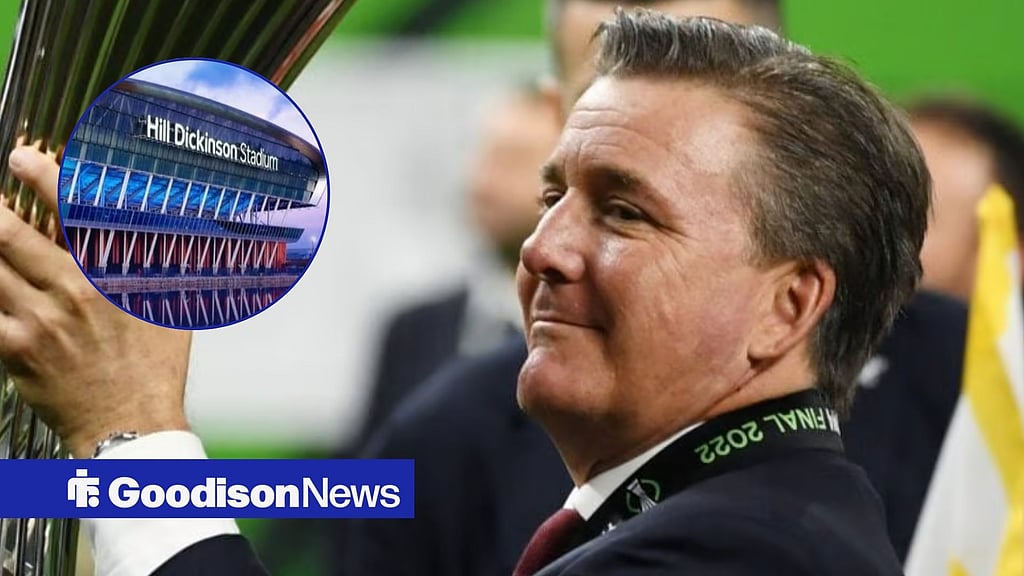
Everton could have another major financial advantage working in their favour as The Friedkin Group prepares for a potential sale of the Merseyside club, with Hill Dickinson Stadium emerging as an increasingly valuable asset.
The American ownership group made it clear when taking control of the Toffees that the move to their new waterfront home was a significant factor in their decision to invest. Without the prospect of leaving Goodison Park for a modern stadium, Everton might not have attracted the same level of interest from the Friedkins.
That makes the possibility of the current owners selling up less than two years into their tenure particularly intriguing. The group appears to be exploring a potential exit that could deliver a substantial return on its investment, although finding the right buyer capable of taking Everton forward remains an important consideration.
However, developments surrounding the club’s new stadium could strengthen their negotiating position considerably, potentially making Everton a more appealing proposition for wealthy investors.
Hill Dickinson Stadium Gives Everton a £35m Financial Advantage
Anyone considering an Everton takeover will need to assess both the club’s financial challenges and its long-term commercial potential.
Although the precise asking price for the Toffees remains unclear, the Friedkins are expected to seek considerably more than the £400 million they reportedly paid to acquire the club in 2024.
TFG are not expected to hand over ownership without carefully considering the credentials of potential buyers. Nevertheless, the growing commercial opportunities created by Hill Dickinson Stadium could encourage greater interest and strengthen their position during negotiations.
According to a report shared by journalist Alan Myers on X, Everton’s new home is already generating approximately £35 million more than Goodison Park did.
That represents a significant improvement in the club’s revenue-generating potential, particularly as the stadium continues to establish itself as a major sporting and entertainment destination in Liverpool.
The opportunities could extend well beyond the current matchday income, especially if the club can unlock the commercial potential of the surrounding waterfront area.
For the Friedkins, the stadium’s financial performance could become one of the strongest selling points in any potential takeover negotiations.
Nelson Dock Could Unlock Even Greater Commercial Potential
Everton’s ambitions may not end with the opening of Hill Dickinson Stadium.
According to The Athletic, discussions are ongoing regarding Nelson Dock, the neighbouring site that could provide additional opportunities for commercial development.
While the precise financial returns remain uncertain, gaining access to the land could allow Everton to expand their business operations and generate additional income streams in the years ahead.
Importantly, the immediate priority would not necessarily be increasing the stadium’s seating capacity. Instead, the surrounding area could be developed to improve the matchday experience while attracting visitors outside football fixtures.
Potential facilities could include a larger club shop, bars, restaurants, food outlets and leisure spaces, creating more opportunities for supporters and other visitors to spend money around the stadium.
Such developments could help Everton generate income throughout the week rather than relying so heavily on matchday activities.
For a prospective owner, that represents an opportunity to build a more diversified commercial operation around one of the Premier League’s newer stadiums.
Why the Stadium Could Strengthen the Friedkins’ Selling Position
The combination of increased stadium revenue and the possibility of future waterfront development could provide the Friedkins with a compelling argument when discussing Everton’s valuation with potential investors.
The reported £35 million revenue improvement already demonstrates the difference the move away from Goodison Park can make. If further commercial opportunities are successfully developed, the club’s earning potential could increase even more.
That does not automatically guarantee a higher sale price, as prospective buyers will also examine Everton’s debts, operating costs, financing arrangements and wider financial commitments.
Nevertheless, the new stadium provides a significant asset that could help distinguish Everton from other takeover opportunities in English football.
It also raises an obvious question: if the club’s commercial prospects are improving, why would the Friedkins consider selling rather than remaining in control and benefiting from that growth themselves?
For now, their longer-term intentions remain a key talking point. What is clear is that Hill Dickinson Stadium could play an important role in shaping Everton’s future, whether under the current ownership or a new investor.
With the potential for further development around the ground, the Toffees could offer prospective buyers much more than a Premier League football club — they could offer a platform for long-term commercial growth.


 Alious