 Alious
Tottenham Hotspur were not just denied three points by Georginio Rutter’s late equaliser against Brighton & Hove Albion — they were also left asking serious questions about how modern officiating, particularly VAR-related delays, continues to distort the natural flow of matches.
At the Tottenham Hotspur Stadium, Spurs looked set to secure a priceless victory in their fight for survival. A stunning strike from Xavi Simons had put them ahead late on, and with the clock ticking beyond 90 minutes, the job appeared done. But instead of a routine close-out, the game drifted into an extended and increasingly chaotic stoppage period — one that ultimately cost them everything.
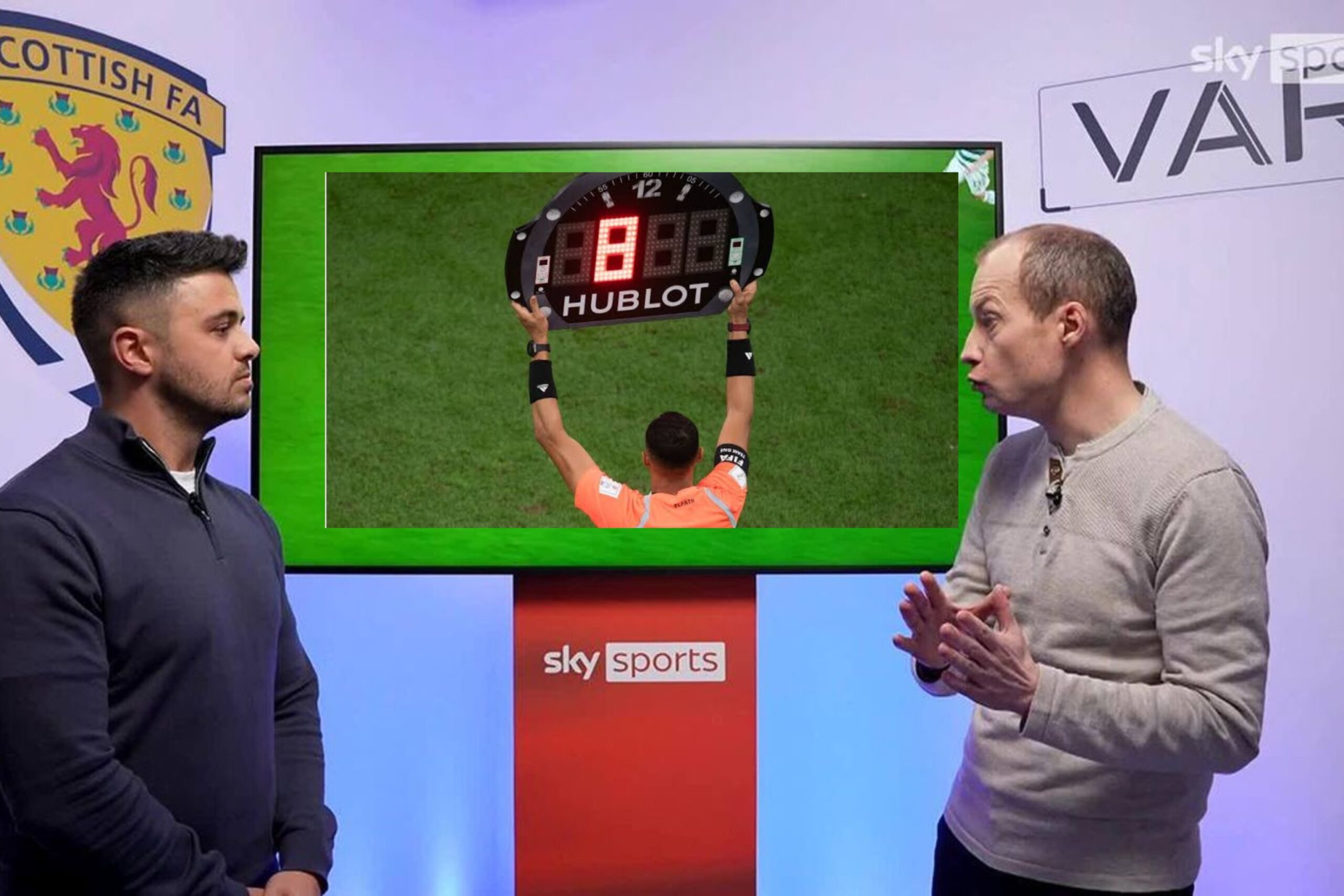
According to match reports, the fourth official indicated a significant amount of added time, stretching to eight minutes, with Rutter striking deep into that window to snatch a 2-2 draw. What should have been a final push for Spurs instead became a prolonged survival test — one that exposed a growing issue in the modern game.
The problem isn’t simply stoppage time itself — it’s how that time is being inflated. VAR, while designed to eliminate clear errors, has increasingly contributed to longer delays through checks, communication breakdowns, and general officiating caution. Even when reviews are not visibly conducted, the knock-on effect of earlier disruptions can lead to excessive added time being tacked on at the end.
In this case, Tottenham paid the price.
There was no clear, high-profile VAR review late in the game that justified such an extended period, yet the added minutes kept climbing. For players and fans alike, it creates confusion: when does a match actually end? And more importantly, how can teams properly manage a game when the finish line keeps moving?
Rutter’s equaliser came in the fifth minute of that extended stoppage period, a moment that underlines the imbalance. Tottenham had already done enough, by traditional standards, to see out the match. Instead, they were forced to defend far beyond the expected timeframe — and ultimately cracked under the pressure.
Critics of VAR have long warned about this exact scenario. While the technology aims to ensure fairness, its indirect consequences — including bloated stoppage time — are beginning to feel just as decisive as any incorrect call. Matches are no longer ending organically; they are being artificially prolonged.
For a team like Tottenham, locked in a relegation battle and desperate for points, the impact is severe. This was not just a late goal — it was a goal made possible by a system that continues to stretch games beyond their natural limits.
Even Roberto De Zerbi, facing his former club, would have recognised the cruel irony. His side showed resilience, but Tottenham’s inability to close out the game was magnified by circumstances that felt increasingly out of their control.
Football has always had drama in stoppage time. But there is a growing difference between drama and distortion.
And right now, VAR is blurring that line.


 Alious