 Alious
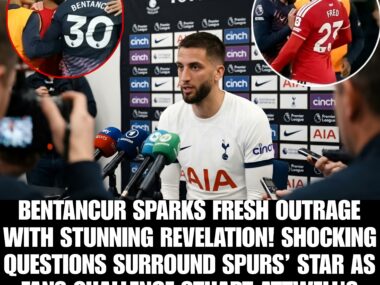
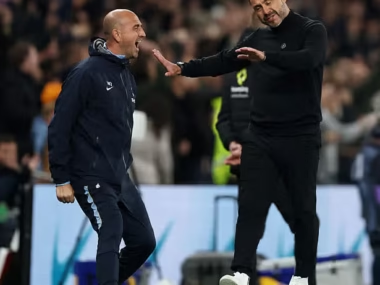
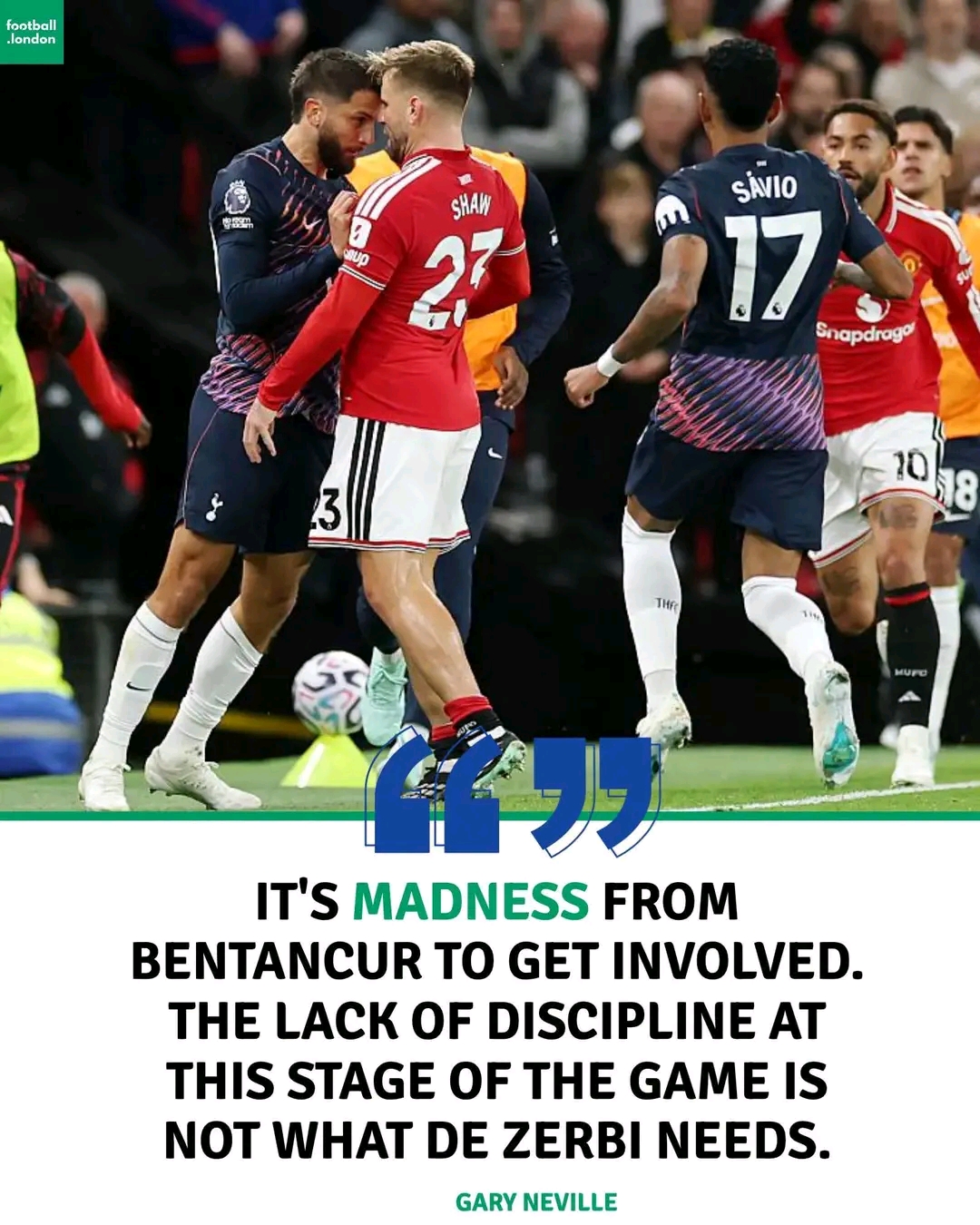
A heated moment involving Tottenham Hotspur midfielder Rodrigo Bentancur has sparked fierce debate after former Manchester United defender Gary Neville questioned the player’s decision to get involved in a confrontation during a tense match against Manchester United.
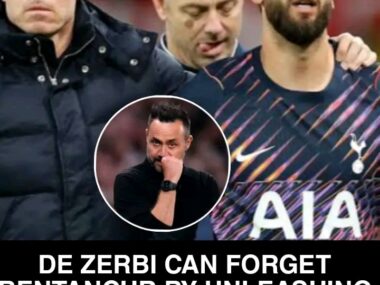
The incident has drawn attention to Tottenham’s discipline, decision-making and ability to maintain composure when matches reach their most critical stages. With emotions running high and every moment carrying enormous significance, Neville believes that getting involved in unnecessary confrontations is precisely the kind of behaviour Roberto De Zerbi cannot afford from his players.
The former England international delivered a strong assessment of the situation, making it clear that he was unhappy with Bentancur’s involvement and the apparent lack of control displayed at such an important point in the contest.
For Tottenham, the incident represents more than a brief exchange between opposing players. It raises wider questions about the team’s mentality, the importance of emotional control and whether the squad can demonstrate the discipline required to compete consistently at the highest level.
😡 GARY NEVILLE QUESTIONS BENTANCUR’S DECISION
Neville did not hold back when discussing Bentancur’s involvement in the confrontation, questioning why the Tottenham midfielder chose to enter the situation when his team needed to remain focused.
His criticism centred on the timing of the incident. At a stage when every decision can influence the outcome of a match, players are expected to exercise caution rather than allow emotions to dictate their actions.
The former Manchester United defender’s message was particularly clear: Tottenham cannot afford unnecessary distractions when the pressure is at its highest.
Neville’s assessment suggested that Bentancur’s involvement was an avoidable risk, especially given the importance of maintaining discipline during the closing stages of a competitive fixture.
Football is a sport filled with physical challenges, heated exchanges and moments of frustration. However, experienced players are often judged by how they respond when tensions threaten to boil over.
Rather than becoming involved in an argument or confrontation, players must understand when to walk away, protect their team and concentrate on the immediate task.
For Neville, the incident highlighted a concern that goes beyond one individual decision. It raised the question of whether Tottenham’s players are making the right choices when pressure threatens to overwhelm their judgment.
🔥 WHY THE INCIDENT COULD CONCERN ROBERTO DE ZERBI
Every manager wants a team capable of combining technical quality with tactical intelligence and emotional maturity.
For Roberto De Zerbi, maintaining discipline is especially important because his footballing approach demands concentration, coordination and trust between players.
His teams need to make quick decisions, maintain their structure and respond intelligently when opponents attempt to disrupt their rhythm. Unnecessary confrontations can undermine those objectives by distracting players from their responsibilities.
When one player becomes involved in a heated exchange, teammates may also be drawn into the situation. That can lead to lost concentration, additional pressure on the referee and potentially costly disciplinary consequences.
Even when no card is issued, the consequences can extend beyond the immediate incident. A team that loses its composure may begin making rushed decisions, abandoning its tactical plan or giving opponents opportunities to take control.
That is why Neville’s criticism carries significance for Tottenham.
The message is not simply that Bentancur should have avoided a confrontation. It is that every player must understand the wider consequences of his actions, particularly when the team is navigating a difficult period.
De Zerbi needs players who can respond to adversity with intelligence rather than frustration.
If Tottenham are to establish greater consistency, discipline must be treated as an essential part of their football rather than something that matters only when a referee produces a yellow or red card.
😳 TOTTENHAM’S MENTALITY UNDER THE SPOTLIGHT
The debate surrounding Bentancur also highlights the growing importance of mentality in modern football.
Supporters often focus on goals, assists, tactical formations and individual mistakes, but a team’s ability to control its emotions can be equally decisive.
Matches between major Premier League clubs frequently become intense affairs. The atmosphere can be hostile, challenges can become increasingly physical, and players may feel provoked by opponents seeking to gain a psychological advantage.
In those circumstances, composure becomes a valuable weapon.
Experienced footballers understand that opponents may attempt to draw them into unnecessary arguments. The smartest response is often to remain calm, allow the officials to manage the situation and return attention to the game.
Losing concentration can be particularly damaging late in a match, when tiredness begins to affect decision-making and the margin for error becomes smaller.
For Tottenham, avoiding such lapses must become a priority.
The team cannot expect to achieve its ambitions through attacking quality alone. It also needs players who understand when to compete aggressively, when to exercise restraint and how to protect the collective interests of the squad.
Neville’s comments have therefore opened up a broader conversation about responsibility, leadership and the standards expected from players representing one of England’s biggest clubs.
⚠️ BENTANCUR MUST RESPOND ON THE PITCH
Although the criticism is likely to generate debate among supporters, the most meaningful response will come through Bentancur’s performances.
The midfielder has responsibilities that extend beyond winning possession and distributing the ball. He must also help Tottenham maintain their structure, manage difficult moments and prevent opponents from exploiting lapses in concentration.
That does not mean players should avoid every physical challenge or confrontation. Football requires determination, aggression and a willingness to compete.
The distinction lies in knowing when that aggression serves the team and when it becomes an unnecessary distraction.
Bentancur will need to demonstrate that he can remain composed under pressure while continuing to bring intensity to his midfield role.
If he responds positively, the incident could become a brief talking point rather than a defining moment in his Tottenham career.
However, repeated disciplinary lapses would inevitably invite further questions about his judgment and suitability for high-pressure situations.
For De Zerbi, the challenge is to ensure that every member of the squad understands the standards expected of them.
A manager can develop tactical plans and prepare players physically, but maintaining discipline during a match ultimately requires individuals to take responsibility for their own decisions.
👀 A WARNING TOTTENHAM CANNOT IGNORE
Neville’s assessment serves as a reminder that small moments can have significant consequences in elite football.
A confrontation may last only a few seconds, but the distraction it creates can affect an entire team. In tightly contested matches, losing focus at the wrong moment can be the difference between securing a valuable result and leaving the pitch disappointed.
Tottenham must therefore learn to manage their emotions as effectively as they manage the football itself.
De Zerbi will want his players to show commitment, bravery and competitive spirit, but those qualities must be balanced with discipline and intelligence.
The Italian manager cannot afford to see his team’s concentration repeatedly disrupted by avoidable incidents, especially when the pressure is already intense.
Bentancur now faces an opportunity to respond to the criticism by demonstrating maturity, focus and consistency in his next appearances.
Ultimately, Neville’s message is straightforward: Tottenham need players who make decisions that benefit the team, not individuals who risk becoming distracted when the stakes are highest.
Do you agree with Gary Neville? Was Rodrigo Bentancur wrong to get involved, or was the criticism too harsh? 👇

 Alious