 Alious
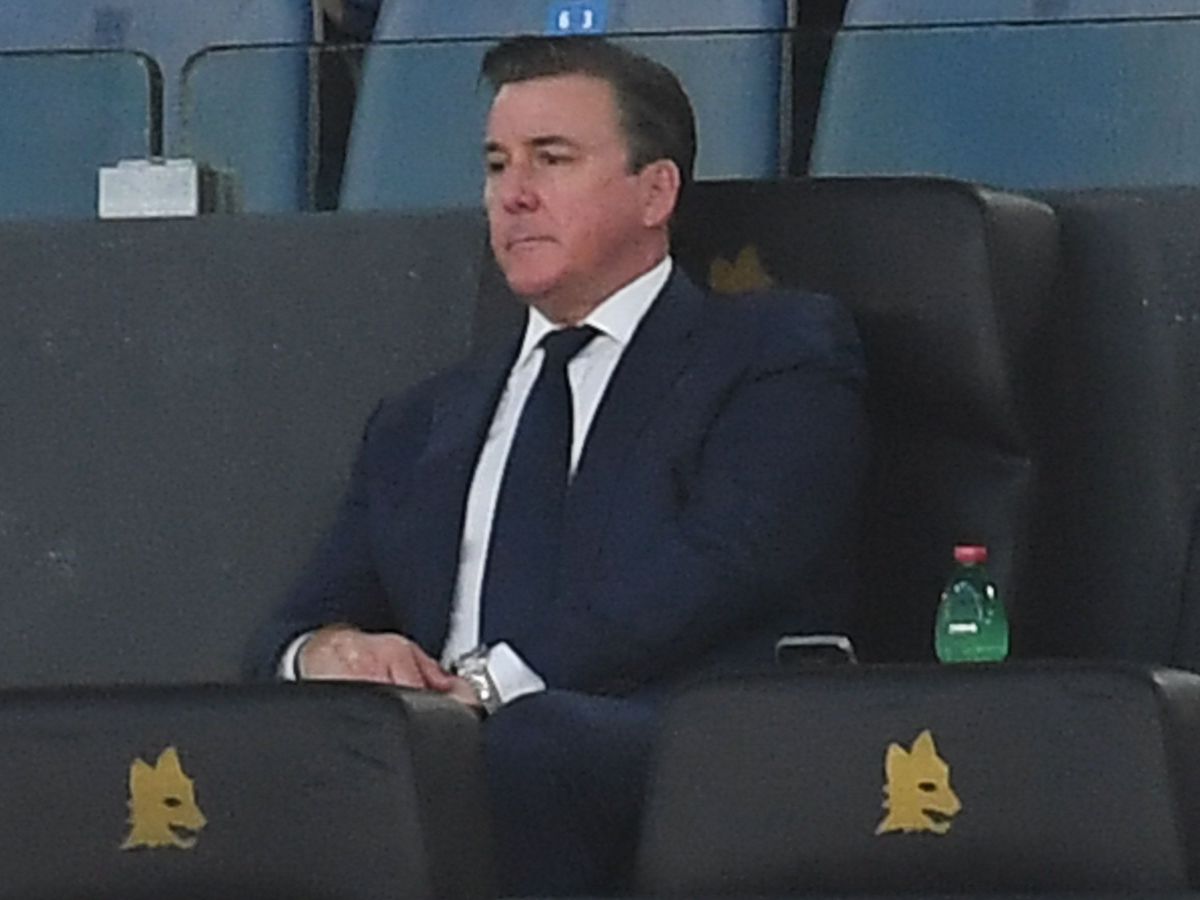
The pressure surrounding Everton’s ownership has intensified after Dan Friedkin and The Friedkin Group announced plans to sell the club, with fresh criticism emerging over their handling of the controversial Harrison Armstrong transfer saga.
The American businessman and his investment group only completed their takeover of Everton in 2024, but their latest decision has raised serious questions about their long-term commitment to the Merseyside club. For supporters who had hoped the new ownership would bring stability, ambition and a stronger connection with the fanbase, the prospect of another change at the top has created further uncertainty.
What makes the situation even more uncomfortable for Friedkin is the criticism surrounding Everton’s attempted sale of one of their most promising young players. According to journalist Dominic King of The Telegraph, the decision to halt Armstrong’s proposed departure may not have been the heroic intervention some supporters were led to believe.
Instead, King suggested that the episode amounted to little more than an attempt to protect the owners’ public image after the situation had already become an embarrassment.
And with Evertonians continuing to demand answers about the club’s direction, this controversy could become an important part of the debate surrounding the ownership.
🚨 FRIEDKIN’S EVERTON FUTURE THROWN INTO DOUBT AFTER SHOCK SALE ANNOUNCEMENT
Everton’s ownership situation has taken another unexpected turn following confirmation that The Friedkin Group is seeking a full sale of the club.
The announcement, made on Friday, has left supporters wondering why an ownership group that only arrived in 2024 is already considering an exit. Although the precise circumstances and potential timetable for a sale remain uncertain in the supplied report, the development has inevitably prompted questions about the original vision for Everton.
Since taking control, Friedkin and his executives have faced criticism over their relationship with the supporters and the decisions being made behind the scenes. Some fans have questioned the group’s visibility and whether the club’s long-term football ambitions have been matched by its actions.
Those concerns became particularly pronounced following the summer transfer window.
David Moyes was left with only one recognised striker, according to the report, fuelling frustration among supporters who expected the ownership to provide the manager with greater attacking options.
The lack of depth in such an important position intensified the scrutiny on the club’s recruitment strategy. For many Evertonians, the situation raised an uncomfortable question: how could the club be expected to progress if the manager was left short of options?
The latest sale announcement has only added to that frustration.
Rather than providing reassurance about Everton’s future, it has created another period of uncertainty at a club whose supporters have endured significant changes in recent years.
💣 THE £40 MILLION HARRISON ARMSTRONG SAGA THAT PUT TFG UNDER PRESSURE
One of the most controversial episodes surrounding Everton’s summer business involved teenage midfielder Harrison Armstrong.
On 28 August, Nottingham Forest reportedly made a late attempt to sign the youngster before the transfer deadline. The report claims that a bid worth approximately £40 million was accepted by The Friedkin Group, setting the stage for a potential departure that would have attracted considerable attention.
However, the proposed transfer quickly became a major source of anger among Everton supporters.
According to the account, the offer was approved without Moyes being aware of the situation, while Armstrong himself reportedly had no desire to leave the club.
If accurate, those circumstances would raise serious questions about the relationship between Everton’s football department and its ownership. A manager preparing his squad for a demanding season would naturally want to be involved in decisions that could affect his available players, particularly when the player concerned is a promising teenager.
For the supporters, the possibility of losing Armstrong was equally difficult to accept.
Evertonians made their feelings unmistakably clear, with chants and threats of a furious reaction if the midfielder was allowed to leave. The atmosphere surrounding the proposed deal became increasingly uncomfortable, placing the club under intense public pressure.
The transfer was subsequently halted on 30 August.
Armstrong remained at Everton, and the decision was welcomed by supporters who believed the club had avoided losing an important young talent.
Yet the circumstances surrounding the reversal have now become a fresh talking point following Dominic King’s criticism of the ownership.
😳 “FACE-SAVING PR” — JOURNALIST QUESTIONS THE STORY BEHIND THE U-TURN
Dominic King has challenged the suggestion that Friedkin personally stepped in to prevent Armstrong from joining Nottingham Forest.
Writing about the episode, the journalist argued that the owners’ actions should not be portrayed as a last-minute intervention that rescued Everton from an unpopular sale.
King wrote: “There were some reports that Dan Friedkin had intervened to stop the sale, but it was nothing other than face-saving PR.”
He also questioned why the proposal had been allowed to progress if the ownership had never intended to sell the teenager.
“TFG wanted to sell the 19-year-old: if it did not, the offer would have been rejected, instantly, 48 hours earlier. The situation was an embarrassment.”
The comments represent a sharp criticism of the way the transfer saga was handled.
Rather than praising the club for keeping Armstrong, King suggested that the public narrative surrounding the decision to stop the deal did not reflect the earlier events. His assessment implies that the owners were left trying to manage the consequences of a decision that had already generated considerable backlash.
It is important to distinguish King’s interpretation from an independently established explanation of the ownership’s motives. Nevertheless, his comments have added another layer to an already contentious episode.
For supporters, the central issue is not simply whether Armstrong stayed. It is whether the club’s leadership made the right decision in the first place, whether Moyes was properly involved and whether the interests of Everton’s football team were given sufficient priority.
Those questions are unlikely to disappear just because the proposed transfer ultimately collapsed.
🔵 ARMSTRONG’S IMPORTANCE TO MOYES MAKES THE CONTROVERSY EVEN BIGGER
Armstrong’s continued presence at Everton has become particularly significant because of the role he has played since the summer transfer window closed.
The teenager has reportedly emerged as an important option for Moyes, with summer signing Hayden Hackney struggling to establish himself in the starting line-up ahead of him.
That development makes the possibility of Armstrong leaving even more striking.
At just 19, he is viewed as a player with considerable potential, and his involvement gives Everton another option in midfield. Allowing a promising youngster to leave could have created a footballing problem for Moyes, especially if the manager had not been consulted before the proposed transfer was approved.
The reported £40 million valuation also makes the story more complicated. A substantial offer for a young player could be difficult for a club to ignore, particularly when financial considerations are involved. But accepting such a bid without properly considering the manager’s plans or the player’s wishes would inevitably invite criticism.
Everton supporters have long wanted to see the club make decisions that support progress on the pitch. The Armstrong situation has instead raised concerns about the balance between financial interests and footballing priorities.
With the midfielder still at Goodison’s successor, Hill Dickinson Stadium, Moyes has retained a player who appears to have earned his place through his performances and availability.
For the ownership, however, the episode has left an uncomfortable impression that could prove difficult to shake.
🔥 DEWSBURY-HALL’S COMMENTS NOW LOOK EVEN MORE SIGNIFICANT
Another voice in the Armstrong saga was Everton midfielder Kiernan Dewsbury-Hall, who publicly praised the supporters after they made their opposition to the proposed transfer clear.
Everton fans had voiced their anger during the club’s 1-1 draw against Bournemouth, with chants indicating the scale of their frustration over the possibility of Armstrong leaving.
The day after that match, the proposed move was called off.
Reflecting on the supporters’ reaction, Dewsbury-Hall said, as quoted by The Guardian:
“They definitely made their feelings known, and obviously it worked. Big credit to them for that; they were amazing that day.”
He also explained how the reaction affected Armstrong personally.
“And I know for a fact it made Harrison feel very good and it helped him. He is a very confident lad and well respected in the dressing room for such a young age.”
Those remarks underline the importance of the relationship between Everton’s players and supporters. The fans did not simply express dissatisfaction from a distance; their reaction was noticed by the squad and, according to Dewsbury-Hall, had a positive effect on Armstrong.
The midfielder’s comments also reinforce the perception that the proposed transfer was deeply unpopular within the Everton community.
However, his praise for the supporters should not automatically be interpreted as proof that the players knew the ownership’s motives. What it does demonstrate is that the reaction was powerful enough to become a significant dressing-room talking point.
For many Evertonians, the episode offered a reminder that supporters can play an influential role when they believe the club is heading in the wrong direction.
💥 DID FAN PRESSURE FORCE EVERTON TO CHANGE COURSE?
The timing of the transfer’s collapse has inevitably led to speculation about the impact of the supporters’ protest.
The proposed deal reportedly moved forward before being stopped after Evertonians made their opposition clear. That sequence has encouraged the view that the backlash helped prevent Armstrong’s departure.
Dewsbury-Hall’s comments appear to support the idea that the supporters’ response mattered, although they do not establish precisely why the decision was reversed.
The broader issue is whether Everton’s decision-makers fully appreciated the reaction a sale would provoke.
Armstrong is a young player with a growing role in Moyes’s plans, and supporters clearly did not want to see him sacrificed. The controversy therefore became about more than a transfer fee. It touched on the club’s identity, the importance of developing young talent and the trust between the ownership and the fanbase.
For a club seeking to rebuild its reputation and establish a clear direction, those are important issues.
If supporters come to believe that promising players can be sold without adequate consideration of their sporting value, confidence in the ownership could deteriorate further.
Equally, the episode shows the potential damage that can arise when communication around major decisions appears unclear.
🚨 WHAT DOES THE LATEST SALE NEWS MEAN FOR EVERTON?
The Friedkin Group’s decision to explore a sale has added a fresh dimension to the debate over Everton’s future.
The ownership group arrived in 2024, but the reported move to sell has prompted questions about how long its original plans were intended to last. The supplied report does not establish the reasons for the proposed sale or confirm what a potential buyer might do differently.
What is clear is that the timing has placed the owners under renewed scrutiny.
The Armstrong controversy has already created difficult questions about transfer strategy, financial priorities and the involvement of the manager. The announcement that the club could change hands has now raised the stakes even further.
Supporters will want clarity over what happens next, while Moyes will need stability if Everton are to focus on improving their performances and building a competitive squad.
There may also be further discussion about the circumstances surrounding the summer transfer window as the sale process develops. Whether additional information emerges remains to be seen.
For now, the combination of the ownership announcement and the criticism from Dominic King has left Everton facing another uncomfortable period.
🔥 EVERTON FANS WANT ANSWERS — NOT ANOTHER PUBLIC RELATIONS BATTLE
The central question surrounding Friedkin is no longer just whether he intends to sell Everton. It is also whether the ownership can maintain supporters’ confidence while the club’s future remains uncertain.
The Armstrong saga has become a symbol of those concerns because it involved a highly rated young player, a reported £40 million offer and a dramatic reversal after fans made their anger clear.
King’s description of the situation as “face-saving PR” has intensified the criticism, challenging the suggestion that the outcome should be celebrated as a straightforward victory for the club.
Meanwhile, Dewsbury-Hall’s praise for the supporters has highlighted the strength of feeling among Evertonians and the influence their reaction appeared to have.
Friedkin and The Friedkin Group now face the challenge of navigating a potential sale while addressing the questions that have emerged over their time at Everton.
Whether the ownership responds with greater transparency or the situation becomes another source of division remains to be seen.
One thing is certain: Everton supporters will be watching closely.
After the Armstrong controversy and the latest sale announcement, many will want clear answers about the club’s direction, its transfer priorities and the future leadership of their team.
For Friedkin, the task of winning over the Everton fanbase has become considerably more difficult.


 Alious