 Alious
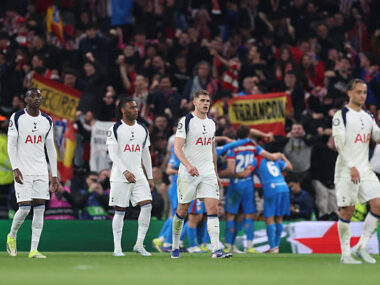
Tottenham’s crucial 1-0 victory over Wolverhampton Wanderers has been overshadowed by fierce backlash over a controversial refereeing decision, with outrage growing over a dangerous challenge on Yves Bissouma that went unpunished.
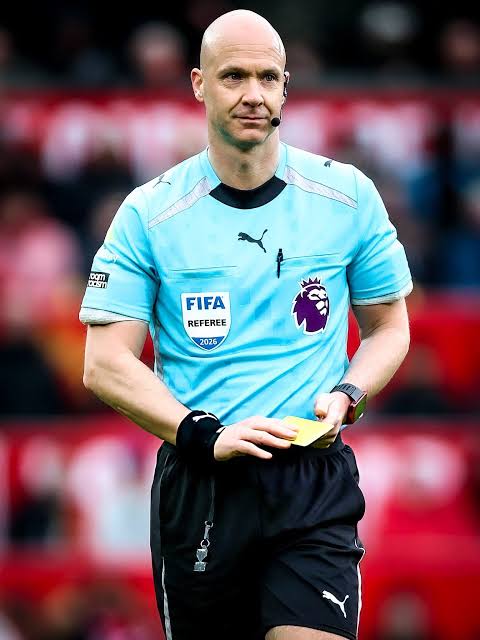
The flashpoint came late in the first half at Molineux when Wolves midfielder André flew into Bissouma with a reckless two-footed tackle. Despite the severity of the challenge, referee Anthony Taylor opted to show only a yellow card—a decision that has since sparked widespread criticism.
Reports suggest even after a VAR review, the original call stood, leaving many questioning how Wolves avoided a red card in what appeared to be a clear case of dangerous play.
Fans and pundits alike have voiced frustration, arguing that the decision endangered player safety and undermined the integrity of officiating in the Premier League.
One furious reaction summed up the mood: “This is a disgrace. Bissouma nearly had his leg snapped and Wolves still kept 11 men on the pitch.”
The incident has only added to ongoing concerns about refereeing standards, with critics pointing to inconsistency in decisions involving serious fouls. Many believe Tottenham were denied a major advantage in a game where margins were already razor-thin.
Despite the controversy, Tottenham Hotspur went on to secure all three points thanks to a late winner from João Palhinha, ending a 118-day wait for a league victory and boosting their survival hopes.
However, the debate around officiating has refused to die down. Critics argue that incidents like this highlight a deeper issue within the game—whether referees and VAR officials are doing enough to protect players from potentially career-threatening challenges.
Even in a match that ultimately delivered a vital result for Spurs, the sense of injustice lingered. For many, the question remains simple: if a challenge of that nature is not deemed worthy of a red card, then what is?
As Tottenham continue their fight to stay in the Premier League, this controversy has become another reminder that decisions off the ball can be just as decisive as those on it.


 Alious