 Alious
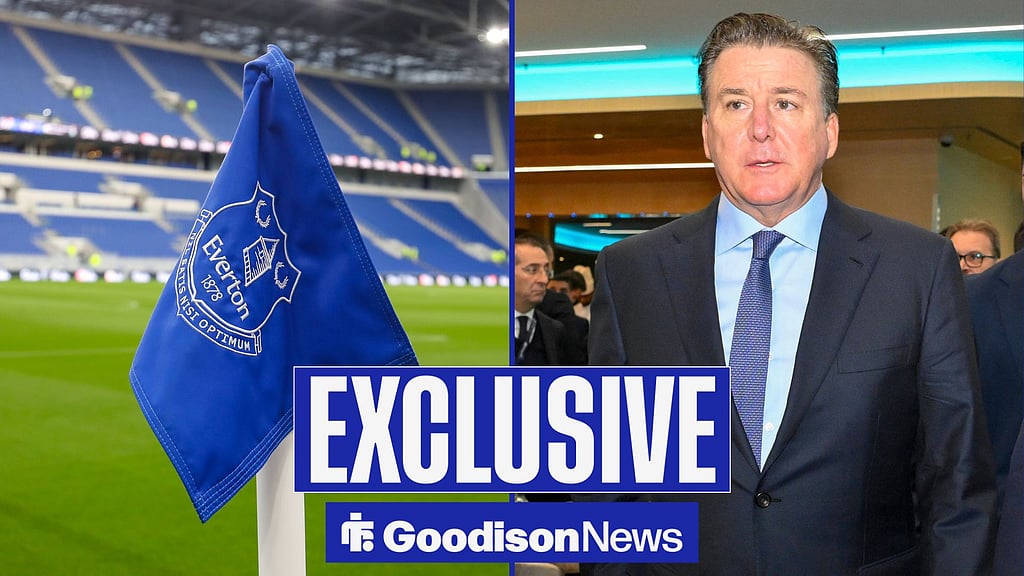
Everton’s unexpected move towards a potential ownership change has sparked fresh debate about the club’s true market value, with a football finance expert suggesting that Dan Friedkin could receive significantly less than the £1 billion reportedly being targeted by The Friedkin Group (TFG).
The American ownership group confirmed on Friday, 9 October, that it was exploring new investment opportunities for Everton, including the possibility of selling its controlling stake. The announcement came less than two years after Friedkin completed his takeover of the Merseyside club from Farhad Moshiri for approximately £400 million.
The development has surprised supporters and observers alike, particularly given the substantial work undertaken to stabilise Everton financially and establish the club at its new home, Hill Dickinson Stadium.
However, while TFG appears willing to consider offers from suitable prospective buyers, the crucial question is whether anyone will be prepared to meet its reported valuation.
According to football finance expert Dr Dan Plumley, Everton could currently be worth somewhere between £500 million and £550 million, considerably below the £1 billion figure reportedly sought by the American owners.
If that assessment proves accurate, Friedkin may have to reconsider his expectations before a sale can be completed.
🚨 THE FRIEDKIN GROUP’S EVERTON SALE DECISION CATCHES FOOTBALL BY SURPRISE
Everton officially confirmed its ownership plans in a statement released on 9 October, explaining that TFG was considering different investment options for the club.
The group indicated that it believes Everton has made significant progress since the takeover, with the immediate financial concerns inherited from the previous ownership now providing less of a threat to the club’s future.
TFG also stressed that it would only engage with potential investors it considered capable of guiding Everton towards its next stage of development.
The statement suggested that the owners want any future arrangement to protect the club’s progress and provide a foundation for further improvement.
Nevertheless, the possibility of a complete sale has raised questions about why the Americans might be considering an exit so soon after completing their acquisition.
Friedkin took control of Everton in December 2024, paying approximately £400 million to acquire the Premier League club from Moshiri.
At the time, Everton faced serious financial difficulties, and the completion of the takeover brought an end to a turbulent period under the previous ownership.
The new owners inherited a club requiring financial stability, investment and a clear long-term direction.
Since then, Everton have continued their transition into a new era, including the move to Hill Dickinson Stadium.
Yet the latest announcement suggests that TFG is prepared to consider whether a different ownership structure could represent the best way forward.
For supporters, the timing is particularly striking. The club has only recently established itself at its new stadium, and many would have expected the current owners to remain in place for considerably longer.
💣 WHY DAN PLUMLEY IS SURPRISED BY THE POTENTIAL SALE
Football finance specialist Dr Dan Plumley has admitted that the prospect of TFG selling Everton outright has caught him by surprise.
Speaking to Goodison News, the Loughborough University senior lecturer pointed to the relatively short period since the takeover as one reason the development was unexpected.
However, Plumley also suggested that other business interests could be influencing the group’s thinking.
TFG has already secured investment in the past, while another major project involving an ice hockey franchise in Houston could be demanding considerable attention and resources.
The proposed franchise is connected to the prospect of expansion within the National Hockey League (NHL), creating another potentially significant business venture for the American group.
Plumley suggested that this wider commercial picture could help explain why TFG is now considering its options at Everton.
He said he was surprised that the owners were open to a full sale given that the takeover had taken place only a couple of years earlier.
He also noted that the Houston NHL project might be taking up some of the group’s focus.
The comments provide a possible explanation for the timing, although they do not establish that the ice hockey venture is the reason behind Everton’s potential sale.
There are also questions surrounding Friedkin’s visible involvement with the club.
The supplied report notes that he has not attended an Everton match since taking ownership and has not been pictured in Liverpool.
While an owner’s limited public presence does not necessarily demonstrate a lack of commitment, it has contributed to discussion among supporters about the Americans’ long-term intentions.
Frustration also increased during the closing stages of the summer transfer window, when David Moyes was left with concerns about the depth of his squad.
Against that background, the announcement of a possible sale has prompted further questions about TFG’s willingness to invest in Everton’s sporting ambitions.
🔥 HOW MUCH IS EVERTON REALLY WORTH?
The biggest issue surrounding Everton’s ownership situation is the difference between the price TFG reportedly wants and the valuation suggested by Plumley.
According to Sky Sports, the American owners are seeking a figure exceeding £1 billion.
However, Plumley’s assessment places Everton’s current value considerably lower, suggesting a reasonable range of approximately £500 million to £550 million.
That difference could become a major obstacle if the owners insist on receiving their full asking price.
Explaining his assessment, Plumley highlighted the stabilisation of the club’s finances and the value associated with the new stadium.
He also pointed out that Everton’s revenue remains relatively flat, meaning the club’s commercial and financial performance may not yet justify the valuation being sought.
The club reportedly generated just under £200 million in revenue during 2025.
One method of estimating a football club’s value is to apply a multiple to its annual revenue. Using a two-times-revenue calculation would place Everton’s value at approximately £400 million.
Applying a 2.5-times multiple would produce a higher figure, while taking the new stadium into account could push the valuation towards £500 million.
Plumley believes that a valuation in the £500 million to £550 million range is sensible under the circumstances.
That assessment reflects the progress Everton have made while acknowledging that their revenue figures have yet to demonstrate the kind of substantial growth that might support a much higher price.
The new stadium is an important asset, but its full financial benefits may take time to become apparent in the club’s accounts.
For a prospective buyer, the attraction will therefore depend not only on Everton’s current financial position but also on the potential to increase revenue, improve commercial performance and build a stronger team.
⚖️ WHY THE £1 BILLION PRICE TAG COULD BE A PROBLEM
The reported difference between TFG’s expectations and Plumley’s valuation is substantial.
If the owners want more than £1 billion while the club’s estimated value sits between £500 million and £550 million, prospective buyers could struggle to justify paying the full asking price based on the financial figures presented.
That does not mean a billion-pound transaction is impossible. A buyer might attach considerable value to Everton’s history, Premier League status, stadium, commercial opportunities and potential for future growth.
However, those factors would need to be weighed against the club’s current revenue, operating costs, squad requirements and future investment needs.
Purchasing Everton would be only the beginning of the financial commitment. Any new owner seeking to transform the club into a regular European contender would likely need to invest in the playing squad, recruitment, infrastructure and commercial development.
The amount required to achieve those ambitions could influence how much a buyer is willing to pay for the club itself.
A prospective investor might prefer to negotiate a lower acquisition price and reserve additional funds for strengthening the team.
This is where Plumley’s assessment becomes significant. If the reported £500 million to £550 million valuation is closer to what interested parties believe Everton are worth, TFG could face pressure to lower its expectations.
Ultimately, the final price would depend on negotiations, the level of interest from potential buyers and the terms of any proposed transaction.
No completed sale or agreed valuation has been established in the information provided.
🔵 HILL DICKINSON STADIUM COULD BE EVERTON’S BIGGEST SELLING POINT
Despite the concerns surrounding revenue, Everton possess an important asset in Hill Dickinson Stadium.
The new ground provides the club with a modern home and offers opportunities to develop additional commercial income through matchdays, hospitality, sponsorship and other events.
For prospective investors, the stadium could represent a major attraction because it provides a platform for future growth.
However, the financial benefits of a new stadium are not always immediate. Increased operating costs, financing arrangements and the time required to expand commercial activities can affect how quickly the investment translates into improved financial results.
Plumley acknowledged that the stadium adds value, even though that benefit is not yet fully reflected in the accounts.
That distinction is important when assessing Everton’s long-term potential.
A buyer could look beyond the current revenue figures and see opportunities to increase the club’s earning power over several years.
Yet potential growth is not the same as guaranteed income. Investors must decide how much they are willing to pay today for opportunities that may take time to materialise.
Everton’s valuation will therefore depend on a combination of existing financial performance and the commercial potential of their new home.
🚨 WHAT HAPPENS NEXT FOR EVERTON?
The Friedkin Group has made it clear that it is exploring investment options and will only consider parties it believes can take Everton forward.
That means the next stage will involve identifying suitable investors and determining whether their proposals meet the owners’ expectations.
If interested parties value the club close to Plumley’s suggested range, negotiations could become difficult if TFG continues to pursue a price above £1 billion.
On the other hand, strong competition between potential buyers could strengthen the owners’ negotiating position.
Everton’s financial stability, stadium and long-term commercial potential will all be important considerations during any discussions.
Supporters will also want assurances that a change in ownership would not disrupt the progress made since the takeover.
The club’s immediate priority remains maintaining stability while its owners consider the next chapter.
For now, the sale process remains a possibility rather than a completed transaction, and the eventual outcome is uncertain.
🏁 FINAL VERDICT: WILL FRIEDKIN HAVE TO LOWER HIS EXPECTATIONS?
Everton’s potential sale has created a major talking point, with the reported £1 billion asking price appearing significantly higher than the valuation suggested by football finance expert Dan Plumley.
While TFG has helped stabilise the club and oversee its transition to Hill Dickinson Stadium, Everton’s revenue of just under £200 million in 2025 raises questions about whether the current financial performance supports such a substantial valuation.
Plumley believes a figure between £500 million and £550 million is more realistic, taking the club’s revenue, financial position and new stadium into account.
The gap between those figures could become the defining issue in Everton’s search for a new ownership arrangement.
Friedkin may believe Everton’s future potential justifies a premium, but prospective buyers will ultimately decide how much they are prepared to pay.
Will Dan Friedkin secure the £1 billion he reportedly wants, or will Everton’s revenue figures force The Friedkin Group to accept a much lower offer? 😱💙

 Alious