 Alious
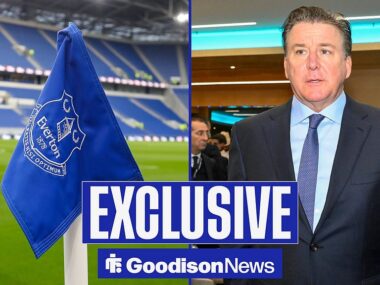
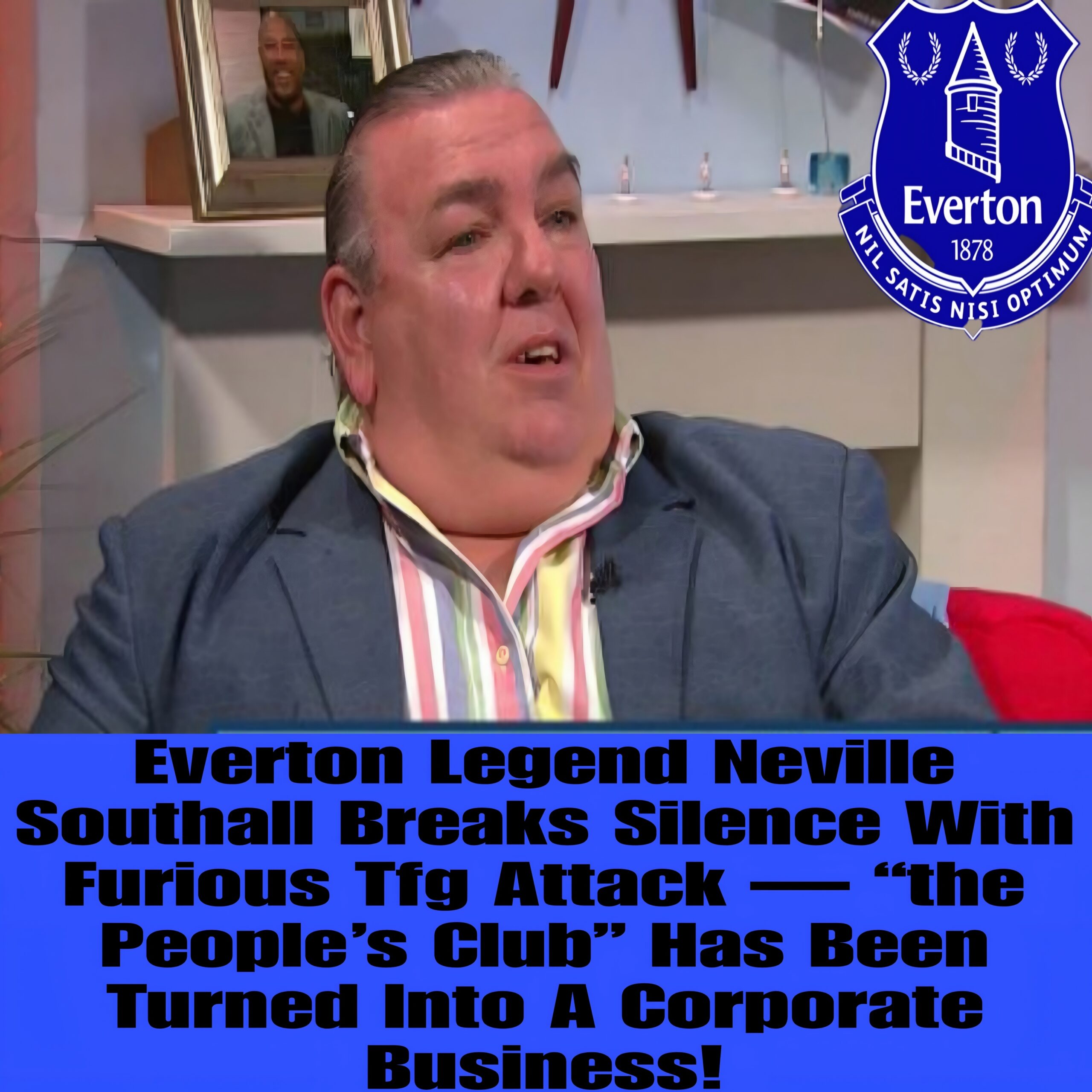
Everton legend Neville Southall has made his feelings clear following the bombshell announcement that The Friedkin Group (TFG) is considering selling its controlling stake in the club, criticising what he perceives as an increasingly corporate approach to running the Toffees.
The American ownership group confirmed on Friday that it was exploring new investment opportunities, including the possibility of a complete sale. The announcement has sparked widespread discussion among Everton supporters, particularly given that the Friedkins only took control of the Merseyside club in December 2024.
The news has raised fresh questions about the owners’ long-term ambitions, their commitment to strengthening David Moyes’ squad and whether their priorities have always aligned with the expectations of the Everton faithful.
For Southall, one of the most iconic figures in the club’s history, the latest developments have provided an opportunity to express his frustration with the direction Everton have taken under their current ownership.
🚨 NEVILLE SOUTHALL DELIVERS A STINGING MESSAGE TO TFG
Southall is uniquely positioned to understand what Everton means to its supporters. The former Wales international made an extraordinary 721 appearances for the club, establishing himself as one of the greatest goalkeepers ever to represent the Toffees.
His connection with Everton stretches far beyond his achievements on the pitch, which makes his latest comments particularly significant to supporters who believe the club’s identity must remain at the heart of every major decision.
Following the announcement of TFG’s potential sale, Southall took to his personal X account to share a pointed message about the future of the club.
He wrote: “Maybe Everton will go back to being the People’s club, not the corporate club now.”
The remark captured the frustration felt by supporters who believe Everton should prioritise their community, traditions and footballing ambitions rather than focusing excessively on financial considerations.
Southall’s words also reflected a wider debate about modern football ownership, where commercial growth and financial sustainability increasingly influence decisions that directly affect supporters.
For many Evertonians, the former goalkeeper’s message will resonate because they want an ownership structure that understands the emotional importance of the club and recognises that its supporters are central to its identity.
However, the latest announcement does not establish that a sale will definitely take place. TFG has confirmed that it is exploring its options, leaving the club’s long-term ownership situation uncertain.
💣 THE HARRISON ARMSTRONG TRANSFER SAGA THAT ANGERED SUPPORTERS
One of the biggest sources of frustration surrounding TFG emerged during the summer transfer window, when Everton reportedly came close to selling young midfielder Harrison Armstrong to Nottingham Forest for £40 million.
The proposed deal attracted considerable attention because Armstrong is regarded as one of the club’s promising young talents.
Supporters reacted negatively to the possibility of losing a homegrown player with significant development potential, particularly when Everton were attempting to build a stronger squad under Moyes.
The backlash reportedly played an important role in the decision not to proceed with the transfer.
For critics of the ownership, the episode raised questions about whether financial considerations were being prioritised over the club’s long-term footballing interests.
Selling a young player can sometimes represent sensible business, particularly when a substantial fee is offered. However, the decision becomes more complicated when the player involved is viewed as having the potential to become an important part of the first team.
In Armstrong’s case, the reported proposal became a symbol of the wider concerns surrounding Everton’s transfer strategy.
Southall’s criticism of the club’s perceived corporate direction has therefore struck a chord with supporters who believe Everton should protect their brightest prospects whenever possible.
The episode also highlighted the influence supporters can have when they unite against a decision they believe could damage the club’s future.
🔥 SEASON TICKET PRICE INCREASE ADDS TO EVERTON FANS’ FRUSTRATION
The Armstrong transfer controversy was not the only issue to generate dissatisfaction among Everton supporters.
TFG also faced criticism following an increase in season ticket prices for the 2026–27 campaign.
According to the supplied report, the average supporter faced an increase of approximately £45, adding to the financial pressure on fans already dealing with rising living costs.
For many supporters, attending football matches is an important part of their lives, but the expense of following a club can become increasingly difficult to manage when ticket prices rise alongside everyday household costs.
The decision therefore raised questions about how the owners balance the club’s commercial requirements against the needs of its loyal fanbase.
Everton’s move to Hill Dickinson Stadium has created new opportunities for revenue generation, but supporters also want to feel that they remain an essential part of the club’s future.
The concern is not necessarily that a football club should avoid making money. Rather, it is whether commercial decisions are being made in a way that respects the people who have supported the team through difficult periods.
Southall’s comments about Everton being the “People’s club” reflect precisely this tension between commercial priorities and the traditions that have helped define the Toffees for generations.
🚨 EVERTON’S TRANSFER STRATEGY UNDER THE SPOTLIGHT
Questions about TFG’s commitment to strengthening the squad also emerged after Everton ended the summer transfer window with a reported £25 million profit from their transfer business.
Although making a profit in the transfer market is not necessarily a sign of poor management, supporters may question the strategy when the first-team squad appears to lack sufficient depth.
The supplied report states that Everton were left with only 18 senior players, while the departures of Iliman Ndiaye and Beto further reduced the available options.
Meanwhile, the proposed move for Monaco striker Folarin Balogun failed to materialise, leaving Moyes without the additional centre-forward he had hoped to bring into the squad.
That outcome placed greater responsibility on the players already at the club and raised concerns about how Everton would cope with injuries, suspensions and the demands of a long Premier League season.
For a manager attempting to establish consistency and improve the team’s league position, having sufficient depth across every area of the pitch is crucial.
Supporters may therefore wonder whether the club’s financial strategy has been too cautious, particularly when the aim should be to create a squad capable of progressing beyond the struggles of recent seasons.
However, transfer profits alone do not reveal the complete financial picture. Recruitment decisions must also be considered alongside wages, contractual commitments, available funds and the club’s longer-term financial obligations.
The central issue for Everton fans is whether the current strategy will deliver tangible progress on the pitch.
💙 IS HILL DICKINSON STADIUM BECOMING MORE ABOUT BUSINESS THAN FOOTBALL?
Everton’s new stadium represents a major milestone in the club’s history, providing a modern home and opportunities to increase commercial revenue.
However, the transition has also prompted debate about how the ground should be used and what its significance should be for the club.
Some supporters are concerned that the stadium is increasingly being viewed as a financial asset rather than primarily as a fortress where Everton can establish a competitive advantage.
A modern stadium can certainly help a club improve its financial position through hospitality, sponsorship, events and increased commercial opportunities.
Those benefits can be important when attempting to compete with wealthier rivals.
Nevertheless, Everton supporters ultimately want the investment in their new home to translate into progress on the pitch.
They want a stronger team, a deeper squad and a club capable of competing consistently rather than being forced to concentrate on survival.
The challenge for any ownership group is to balance the commercial opportunities offered by a new stadium with the footballing ambitions of the club.
For Southall and supporters who share his concerns, the latest ownership announcement has reignited questions about whether that balance has been achieved.
🚨 WHAT DOES THE FRIEDKIN GROUP’S POTENTIAL EXIT MEAN FOR EVERTON?
The possibility of a sale less than two years after TFG acquired Everton has inevitably raised questions about what comes next.
The owners have stated that they are exploring investment options and will only consider interested parties they believe can take the club forward.
That leaves open the possibility of a new controlling investor, although no completed sale or agreed transaction has been confirmed in the supplied information.
For Everton, any ownership change would represent an important moment in the club’s ongoing development.
Supporters will want assurances that the next chapter brings stability, a clear footballing strategy and the financial backing necessary to improve the squad.
They will also expect potential new owners to understand Everton’s history and the importance of maintaining a strong relationship with the fanbase.
Southall’s intervention has helped bring those concerns into sharper focus.
His criticism is not simply about the possibility of an ownership change. It also reflects a wider question about what Everton should represent and how the club should be managed in an era when financial considerations play an increasingly prominent role in football.
🏁 FINAL VERDICT: SOUTHALL’S WORDS WILL RESONATE WITH EVERTONIANS
Neville Southall has delivered a pointed message following The Friedkin Group’s announcement that it is considering a sale of Everton.
His suggestion that the club could return to being the “People’s club” rather than the “corporate club” reflects concerns about the ownership’s approach to transfers, ticket prices and the balance between commercial priorities and footballing ambition.
The proposed Harrison Armstrong sale, the reported season ticket price increase and the limited depth of the first-team squad have all contributed to the debate.
Whether TFG ultimately sells Everton or decides to pursue a different investment arrangement remains uncertain.
What is clear is that supporters want more than financial stability. They also want an ownership structure that invests in the team, protects the club’s identity and gives Moyes the tools to compete.
Will Everton finally return to the values Neville Southall believes made the club special, or will the battle between football ambition and corporate thinking continue at Hill Dickinson Stadium? 😱💙

 Alious